For many travelers, one of the most memorable meals is eaten without cutlery. In a number of cultures, using the hands is the natural way to eat, and the practice is tied to hospitality, communal sharing and the tactile enjoyment of food. Places where this is traditional include parts of South Asia, the Middle East, North Africa, East Africa and Southeast Asia, among others. Eating this way can feel awkward at first, but with a few basics it becomes a comfortable and sociable experience. This guide explains common practices, what etiquette to observe and how to find restaurants that serve food this way.
Where hand eating is traditional
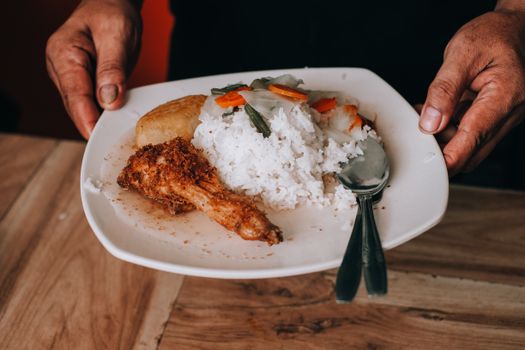
Hand eating is common in many regions, though customs differ even within a single country. In parts of India, rice, dal and curries are often eaten with the right hand, particularly in homes and some local restaurants. Ethiopian meals are typically served on a shared platter with injera, a sourdough flatbread, which is used to scoop up stews and vegetables. In parts of the Middle East and North Africa, bread is used to pick up dishes such as stews, dips and grilled meats. Southeast Asian and Pacific communities also have hand-eating traditions for rice and certain specialties. Local customs vary, so observe what others do.
The basics of hand eating etiquette
The most widely observed rule is to use only the right hand, since the left is often reserved for personal hygiene in many cultures. Wash your hands before the meal, and again if the custom requires it. Take only what you can eat, and avoid reaching across the shared plate. In communal dishes, use your right hand to take food from the serving area and move it to your own plate or portion of bread. Watch your hosts and follow their pace.
Washing and preparing
Many restaurants that serve food by hand provide a bowl of water or a washstand before and after meals. Use it, and dry your hands on the towel provided. If there is no washing area, carry hand sanitizer or wet wipes, though these should not replace proper washing where it is available. Keep your nails short and clean, and avoid touching your face during the meal.
Ordering and sharing
In many hand-eating cuisines, dishes are designed to be shared. Ordering a range of items, such as several curries with rice or a platter of grilled meats and bread, makes the meal sociable. Ask the server how the dish is traditionally eaten, and whether cutlery is available if you prefer it. Many restaurants will offer a fork or spoon without fuss, although using the hand is often part of the experience.
Choosing a restaurant
Restaurants that serve food by hand range from family-run eateries to upscale venues that highlight regional cuisine. Look for places that are popular with local diners, which is often a good sign of authenticity. Check reviews for comments about hygiene and service, and visit at a quieter time if you want time to learn the customs. Some restaurants offer a short explanation of the dishes, which can be helpful for first-time visitors.
Respecting local customs
Eating with the hands is deeply personal in many communities. Avoid pointing or waving food around, and do not use the left hand to pass dishes. If you are invited into a home, accept the offer graciously and follow your host's example. Photographs of people eating should be taken only with permission. Compliments on the food are always welcome, and a gentle question about the dish often opens a good conversation.
Hygiene and safety
Hand eating itself is not unsafe when practiced in a clean environment. Choose restaurants with visible hygiene standards, and be cautious with raw dishes or food that has been left out. If you have a condition that affects your hands or digestion, speak to a doctor before travel. Drink bottled or treated water where tap water is not considered safe, and check the advice for your destination.
Practical tips
Practice a few simple phrases to thank the cook and staff in the local language. Wear clothes with sleeves that are not too loose, to avoid dragging them through food. Keep a clean napkin or tissue ready. Start with a small portion of each dish until you are comfortable with the textures. Be patient, since mastering the technique takes a few meals. Note the names of the dishes you like, so you can order them again or find recipes later.
Common mistakes to avoid
A common mistake is taking large portions from a shared dish, then leaving much of the food on the plate, which hosts may notice. Some visitors start eating before the meal has formally begun, when the custom is to wait for others. Visitors sometimes focus only on the food and forget to thank the cook or staff, which many diners consider an important courtesy. Another frequent error is photographing the food or the staff at length before eating, which can slow the meal for everyone. Visitors also sometimes order a dish without asking how it is traditionally eaten, which can lead to confusion at the table. Finally, some guests try to mimic a technique too quickly, rather than watching and practising slowly. Taking a moment to observe the table and asking politely is usually the simplest way to avoid these missteps.
Who this suits and who it doesn't
Hand-eating meals suit travelers who enjoy tactile, communal dining and who are happy to learn through observation. Families and groups often find them lively, since platters are shared and conversation flows around the table. People who enjoy spicy, aromatic and textured foods tend to enjoy the experience. These meals may be less suitable for those with arthritis, hand injuries or limited dexterity, who may find tearing bread or mixing rice difficult, although many restaurants will provide cutlery. Travelers with strict hygiene concerns may prefer restaurants with visible handwashing facilities and steady turnover. Anyone with food allergies should discuss shared dishes with staff, because communal platters can carry ingredients between diners. Honest consideration of your comfort will help you enjoy the meal.
Frequently asked questions
Is it rude to ask for a fork? Generally no. Many restaurants offer cutlery on request, although trying the traditional method first is often appreciated.
Should you tip when eating with your hands? Tipping customs vary between countries, so check local norms rather than assuming the practice is the same everywhere.
Can you eat this way if you have never done it before? Yes. Start with simple dishes, watch how others eat and ask staff for help with technique.
Eating with the hands connects you with the rhythm and generosity of many food cultures. With a little preparation, respectful habits and careful choice of restaurant, the meal can become one of the most sociable and satisfying parts of your trip.