Unfork-gettable! 7 Hand-Eating Global Feasts You Need to Experience Before You Die
There’s a moment, isn't there, when you’re presented with a plate so utterly magnificent, so fragrant and vibrant, that your fork feels like an intruder? I remember staring at my first Ethiopian platter, a kaleidoscope of stews and lentils spread across a giant, spongy injera pancake. My server, sensing my hesitation, simply smiled and gestured, "Just use your hands, habesha." And in that moment, something shifted. The barrier between me and my food dissolved. It wasn't just a meal; it was an immersion.
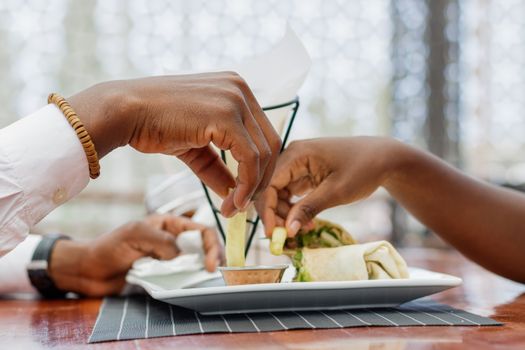
We live in a world obsessed with efficiency, often stripping away the very tactile joy of eating. But across continents, countless cultures have preserved the ancient, intimate art of dining with your hands. It’s more than just a tradition; it’s a sensory explosion, a communal bonding experience, and frankly, some of the most delicious food you’ll ever encounter.
So, ditch the cutlery, grab your hand sanitizer (for before the meal, of course!), and prepare to embark on a culinary adventure that will redefine your relationship with food. These aren't just restaurants; they're portals to cultural understanding, one delicious, hand-scooped bite at a time.
1. The Ethiopian Feast: Injera and the Art of Sharing
Where to find it: Ethiopia (Addis Ababa, Lalibela) or Ethiopian diaspora communities worldwide (e.g., Washington D.C., Los Angeles, London, Melbourne).
My first Ethiopian meal in a bustling restaurant in Addis Ababa remains etched in my memory. The aroma of berbere spice, the gentle hum of conversation, and then, the arrival of the geber – a massive, communal platter covered with a giant injera, itself a soft, sourdough-risen flatbread. Piled high were mounds of colourful stews: fiery doro wat (chicken stew), rich shiro wat (chickpea stew), vibrant collard greens (gomen), and various lentil dishes (misir wot).
The beauty of Ethiopian dining lies in its communal spirit. Everyone gathers around the geber, tearing off pieces of injera with their right hand, using it as a scoop to pick up a morsel of stew and a bit of another dish. There’s no individual plate, no personal portion; it’s all about sharing, conversation, and the delightful interplay of textures and flavours. It's an act of friendship and hospitality called gursha, where you feed a choice bite to a loved one. I still remember the warm feeling of my host offering me a gursha – a gesture of deep affection.
Practical Tips for the Ethiopian Experience:
- Right Hand Only: This is crucial. In many cultures, the left hand is considered unclean.
- Tear, Don't Cut: Use your fingers to tear off small pieces of injera.
- Scoop, Don't Drag: Gently scoop up the food, avoiding dragging your injera across the whole platter.
- Embrace the Sponginess: Injera is designed to soak up those delicious sauces. Don't be shy!
- Instagram Moment: The vibrant colours and textures of a geber are incredibly photogenic. Get a top-down shot!
Price Point: Expect to pay around $10-25 USD per person for a generous, shared platter in most international Ethiopian restaurants. In Ethiopia, it's even more affordable.
2. The Filipino Boodle Fight: A Celebration on Banana Leaves
Where to find it: The Philippines (Palawan, Manila, Cebu) or Filipino community gatherings and restaurants abroad.
Imagine a table laden not with plates, but with a long stretch of fresh banana leaves. On these leaves, a glorious, colourful mountain of rice, grilled fish, succulent pork adobo, crispy fried chicken, lumpia (spring rolls), fresh mangoes, and a medley of other Filipino delights is meticulously arranged. This, my friends, is a Boodle Fight – a military tradition turned joyous communal feast.
My first Boodle Fight was on a pristine beach in El Nido, Palawan. The sun was setting, the waves gently lapping, and our group of friends gathered around this incredible spread. There were no plates, no cutlery, just excited chatter and the instruction to "dive in!" The sheer abundance of food, the shared experience of digging into the same meal, and the incredible flavours of sweet, sour, salty, and umami all at once, made it one of the most memorable meals of my life. It’s messy, it’s loud, and it’s utterly, wonderfully Filipino.
Practical Tips for the Boodle Fight:
- Wash Up: Seriously, wash your hands thoroughly before you start.
- Strategize: Look for your favourite items and stake your claim (politely!).
- Mix and Match: Don't be afraid to combine different elements – a bit of rice, some adobo, a slice of mango.
- Don't Be Shy: This is a no-holds-barred eating experience. Get in there!
- Instagram Moment: The sheer scale and vibrant colours of a Boodle Fight are made for wide-angle shots. Capture the group digging in!
Price Point: Boodle Fights are often priced per person or per group. Expect around $15-30 USD per person depending on the seafood and meat choices, or much less for a local, casual version.
3. Indian Thali: A Symphony of Flavors on a Plate (or Leaf)
Where to find it: Across India (Mumbai, Delhi, Rajasthan, South India) and Indian restaurants globally.
The word "thali" literally means "plate," but it represents so much more. A thali is a complete meal, typically served on a large metal platter or, more traditionally, a banana leaf, featuring a selection of small bowls (katoris) filled with various dishes. From rich curries and lentil dals to cooling raita, tangy pickles, sweet desserts, and a pile of fluffy rice or a stack of fresh rotis/naans, a thali is a culinary journey designed to hit every taste bud.
I remember a particularly vibrant thali experience in a bustling eatery in Mumbai. The server, a whirlwind of efficiency, kept refilling my katoris as soon as they were empty. I watched the locals expertly tear off a piece of roti, use it to scoop up some dal, then mix a bit of pickle with rice, all with their fingertips. The tactile experience of feeling the warmth of the roti, the texture of the rice, and the different consistencies of the curries made each bite incredibly satisfying. It's a dance of flavours and textures, perfectly balanced.
Practical Tips for the Indian Thali:
- Fingertip Control: Use your fingertips, not your whole palm, to scoop food with bread or mix rice.
- Mix and Match: Experiment with combining different curries, rice, and bread for unique flavour profiles.
- Don't Waste: Take what you need, but remember many thalis offer unlimited refills, so don't overload your plate.
- Ask for More: If you love a particular dish, don't hesitate to ask for a refill!
- Instagram Moment: The colourful array of small bowls on a thali, especially a South Indian banana leaf thali, makes for a stunning flat lay.
Price Point: Thalis are incredibly affordable in India, ranging from $2-10 USD. In international restaurants, expect $15-30 USD.
4. Malaysian Nasi Padang: A Culinary Canvas of Choice
Where to find it: Malaysia (Kuala Lumpur, Penang), Singapore, Indonesia (Padang, Jakarta).
While technically an Indonesian cuisine from the Minangkabau people of West Sumatra, Nasi Padang has become a beloved staple across Malaysia and Singapore. Imagine walking into a restaurant where the entire counter is laden with dozens of colourful dishes – rendang, curries, fried chicken, sambal, vegetables, fish, and more. This is the magic of Nasi Padang.
When you sit down, a server will often bring out a dazzling array of dishes to your table, without you even ordering them – this is called the hidang style. You only pay for what you eat or touch. My first Nasi Padang experience in a busy Kuala Lumpur hawker center was overwhelming in the best possible way. I pointed excitedly at a few dishes, and soon my plate of steamed rice was surrounded by small portions of succulent beef rendang, spicy green sambal, and crispy fried fish. Eating it with my hands, mixing the rich sauces with the rice, felt incredibly authentic and satisfying. Each bite was a burst of flavour, and the ability to customize my meal was pure joy.
Practical Tips for Nasi Padang:
- Observe Locals: Watch how they mix the sauces and rice with their fingers.
- Don't Be Afraid to Get Messy: The sauces are meant to be enjoyed!
- Try a Variety: Order small portions of many dishes to experience the full range of flavours.
- The Right Hand Rule: Again, use your right hand.
- Instagram Moment: The vibrant spread of dishes at the counter or on your table is a feast for the eyes. Capture the abundance!
Price Point: Highly variable depending on how many dishes you choose. A good meal can be $5-15 USD in Malaysia/Singapore.
5. The Glorious Mess of a Seafood Boil: Digging In, American Style
Where to find it: Southern USA (Louisiana, Mississippi, Texas), coastal regions, and seafood restaurants specializing in boils globally.
This is where "eating with your hands" takes on a whole new, wonderfully messy dimension. A seafood boil isn't just a meal; it's an event. Picture a huge bag or platter overflowing with freshly boiled shrimp, crawfish, crab legs, mussels, corn on the cob, potatoes, and sometimes even sausage, all drenched in a spicy, buttery, garlicky sauce.
My favourite seafood boil memory is from a lively joint in New Orleans. We were handed bibs (essential!), a roll of paper towels, and a bucket for shells. The table was covered in butcher paper. When the steaming bag of crawfish and shrimp was unceremoniously dumped in front of us, the aroma alone was intoxicating. Peeling the shrimp, cracking the crab legs, sucking the heads of the crawfish (if you dare!), and getting that glorious sauce all over your fingers is the true joy. It’s loud, it’s communal, and it’s utterly, deliciously liberating.
Practical Tips for the Seafood Boil:
- Wear a Bib: Seriously, just do it. Don't wear your favourite white shirt.
- Don't Be Afraid to Get Dirty: It's the whole point! Embrace the mess.
- Learn the Technique: Ask a local how to peel crawfish efficiently. There's an art to it.
- Hydrate: The spices can be intense, so keep a drink handy.
- Instagram Moment: A pile of bright red crawfish or crab legs on a butcher paper-covered table, with hands actively peeling and eating – pure foodie gold.
Price Point: Varies widely by seafood type and weight. Expect $25-60 USD per person for a generous feast.
6. West African Fufu & Stews: A Cultural Staple
Where to find it: Ghana, Nigeria, Ivory Coast, and other West African nations; also in African diaspora communities.
Fufu is a staple food in many West African countries, a starchy dough made from cassava, plantains, or yams. It’s traditionally eaten with a variety of rich, flavourful stews and soups, often made with meat, fish, and vibrant vegetables like okra or spinach, seasoned with scotch bonnets and other spices.
My first encounter with fufu was in a small, family-run restaurant in Accra, Ghana. A large, smooth ball of fufu arrived, accompanied by a bowl of steaming light soup with goat meat. The technique is specific: tear off a small piece of fufu with your right hand, roll it into a ball, make a small indentation with your thumb, and then use it to scoop up the stew. The fufu acts as your sponge and spoon. The key is to swallow the fufu, not chew it, allowing the flavour of the stew to dominate. It’s a truly unique textural and flavour experience, connecting you directly to the heart of West African culinary traditions.
Practical Tips for Fufu:
- Right Hand, Always: No exceptions here.
- Small Portions: Start with small pieces of fufu until you get the hang of it.
- Scoop and Swallow: Remember the technique – scoop the stew into the fufu indentation and swallow.
- Don't Chew: Fufu is meant to be swallowed whole, allowing it to carry the soup's flavour.
- Instagram Moment: The vibrant colours of the stew contrasted with the pale fufu ball make for an interesting shot. Capture the hand-scooping action!
Price Point: In West Africa, a fufu meal can be as little as $2-5 USD. In international African restaurants, expect $15-25 USD.
7. Korean Ssam (Wraps): Interactive BBQ Fun
Where to find it: South Korea (Seoul, Busan) and Korean BBQ restaurants worldwide.
While Korean BBQ often involves chopsticks for grilling, the true magic happens when you start making ssam – fresh wraps you assemble with your hands. After grilling succulent cuts of marinated beef (bulgogi, galbi) or pork belly (samgyeopsal), you take a fresh lettuce leaf (or perilla leaf), add a piece of grilled meat, a dollop of ssamjang (a spicy, savoury paste), perhaps some garlic, kimchi, or a slice of green chili, and then wrap it all up.
My friends and I spent an unforgettable evening at a lively BBQ joint in Hongdae, Seoul. The sizzling sound of the meat on the grill, the clinking of soju glasses, and the shared laughter as we each crafted our perfect ssam made for an incredibly social and delicious experience. The crispness of the lettuce, the warmth of the meat, the kick of the ssamjang – it’s a symphony of textures and flavours, all custom-made by your own hands.
Practical Tips for Korean Ssam:
- Don't Overload: Keep your wraps manageable so you can eat them in one (or two) bites.
- Experiment with Fillings: Try different combinations of garlic, kimchi, and sauces.
- Eat It Whole: The goal is to eat the ssam in one go, if possible, to get all the flavours at once.
- Share the Grill: Take turns flipping and cutting the meat.
- Instagram Moment: A perfectly assembled ssam in hand, or a vibrant spread of grilled meat and banchan (side dishes), makes for a mouth-watering photo.
Price Point: Korean BBQ can range from $20-50 USD per person depending on the cuts of meat and location.
Why Ditch the Cutlery? The Deeper Connection
Eating with your hands isn't just a novelty; it's a profound way to connect with your food, your dining companions, and the culture itself. It engages more senses – the texture, the temperature, the very feel of your meal before it even reaches your mouth. It fosters community, breaking down barriers and inviting shared experiences. It's a primal, human act that reminds us of our most basic needs and joys.
So, the next time you're planning a trip or even just looking for a new dining experience in your hometown, seek out one of these incredible hand-eating feasts. Be brave, be adventurous, and prepare to get a little messy. You might just discover a whole new way to experience the world, one delicious, finger-licking bite at a time.
Which hand-eating adventure will you embark on next? Share your stories and tag us on social media with #TripsoraHandFeasts! We can't wait to see your culinary journeys unfold.
---