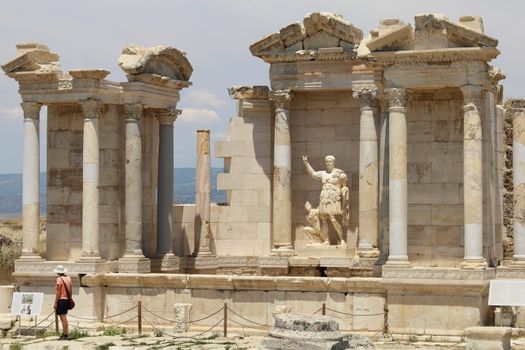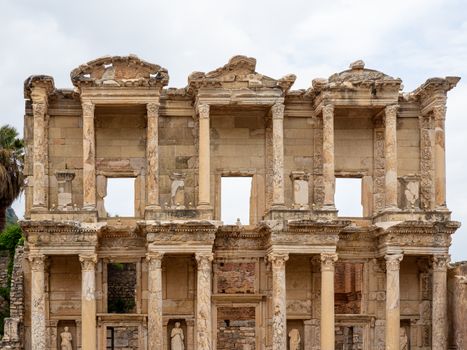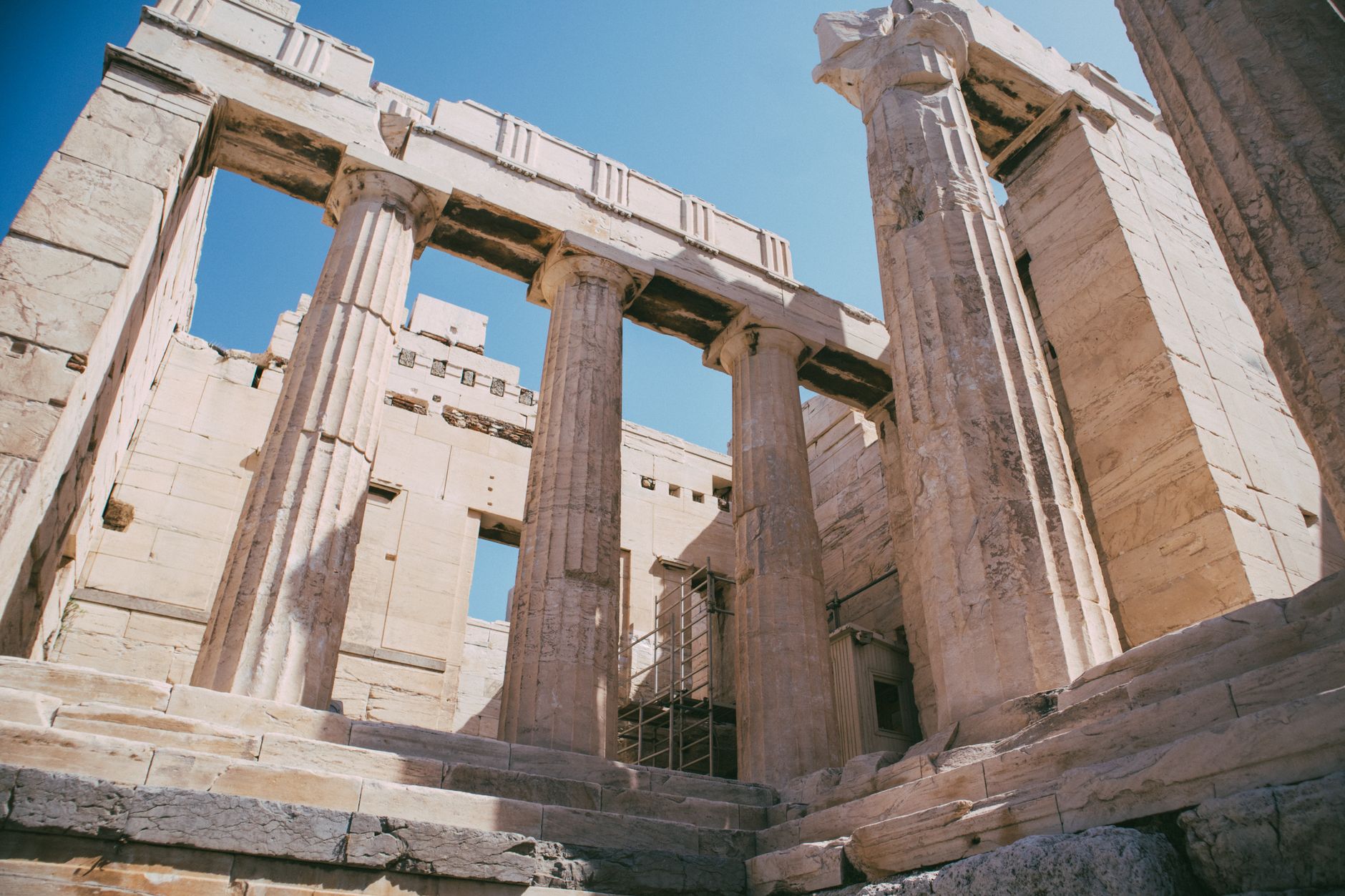
Restored historical sites, from castles and palaces to ancient ruins and industrial buildings, often reopen after long periods of conservation work. Restoration can reveal original colors, structures and details that were hidden for decades, and it can make a site safer and more accessible. At the same time, reopened sites may have new routes, limited capacity and rules designed to protect fragile materials. This guide explains how to plan a visit that is informative, respectful and enjoyable.
Why restored sites feel different
Restoration can change how a site looks, feels and is interpreted. Some projects reconstruct missing elements based on archival evidence, while others stabilize ruins without rebuilding them. Visitors may notice cleaner surfaces, new lighting or revised interpretation panels. Understanding the approach used can help you appreciate the choices made. Some sites provide exhibition material that explains methods, and that context often makes the visit more meaningful. It is also normal for opinions about restoration to differ, which can itself be an interesting topic for discussion.
Access, opening arrangements and conservation rules
Reopened sites often operate on phased schedules, with some areas open and others still under work. Check the official website for current opening times, accessible routes, guided tour options and booking systems. Some sites use timed entry or limit group sizes to protect the structure. Heritage sites also have rules designed to prevent damage, which may include restrictions on touching surfaces, using flash, bringing food or drink, or walking on certain floors. Backpacks, tripods and large bags may need to be stored. Follow signage and staff instructions even when they seem unnecessary, since they often reflect specific risks to the building.
Getting the most from the visit
Guided tours, audio guides and interpretive panels can explain the history and the restoration process. Take time to read the context and look for details that show how the site has changed over time, such as material differences between old and new sections. Local historians or heritage organizations sometimes offer talks or workshops that add depth. Going slowly and focusing on a few areas often leads to a richer experience than rushing through every room. If possible, pair the visit with a walk through the surrounding town or landscape, which often reveals how the site fits into daily life.
A decision framework for timing and tours
Start by deciding what you want from the visit. If your main interest is architecture and conservation methods, a guided tour with a specialist may be worth the extra time. If you prefer a self-paced visit, audio guides and printed material may suit you better. Next, consider timing. Early mornings, late afternoons and weekdays often offer calmer conditions, while weekends and public holidays can be crowded. Check whether special events could affect access. Finally, weigh accessibility. Confirm whether routes include stairs, uneven floors or narrow passages, and whether lifts or alternative paths are available. Matching the visit to your needs usually matters more than choosing the most famous site.
Common mistakes to avoid
A common mistake is assuming that a reopened site is fully open. Some areas may be closed for ongoing work, and signs or printed maps may not reflect this. Another error is arriving without booking when timed entry is required, which can lead to disappointment. Visitors also sometimes wear unsuitable footwear for stone floors and steep steps. Touching surfaces, even lightly, can cause long-term wear, so resisting the urge matters. Finally, many travelers rush through a site in under an hour, missing the interpretation that explains what has changed and why.
What to check before booking
Before you visit, confirm current opening arrangements on the official site, including any partial closures and maintenance notices. Check whether guided tours, timed slots or group bookings are required, and whether they need to be reserved ahead. Look for accessibility information about routes, lifts, toilets and seating. Find out what storage is available for bags and coats, and whether photography or video has restrictions. Read the rules on food, drink and pets. If you plan to join a tour, ask about language, length and group size. A brief message to the site can answer most questions about special needs or unusual circumstances.
Who a visit to a reopened site suits, and who it may not
Reopened sites can suit history enthusiasts, architecture students, families who enjoy learning through exhibits and travelers who like slow, reflective visits. They are also a good choice for people who appreciate seeing how conservation decisions shape a place. On the other hand, they may not suit visitors who want to climb, touch or interact freely with structures, or who prefer large, fully finished attractions with extensive amenities. Travelers with limited mobility should check route details carefully, as older buildings are not always easy to adapt. In such cases, a partial visit or a virtual tour may be a sensible alternative.
Frequently asked questions
Are restored sites always better than ruins? Not necessarily. Some visitors prefer the atmosphere of unrestored remains, while others appreciate reconstructed detail. Both approaches have value.
Can I take photographs? Often yes, but rules vary. Flash may be restricted, and tripods frequently need permission.
How can I support the site? Entrance fees, guided tours, guidebooks and purchases in the shop often help fund conservation and staff. Being a considerate visitor, including keeping noise low, also matters.
Restored historical sites offer a chance to see the past with fresh clarity, but they ask visitors to plan carefully and behave with care. Confirming access, respecting conservation rules and taking time to learn about the restoration will help you enjoy a reopened site as both a visitor and a responsible steward of heritage.