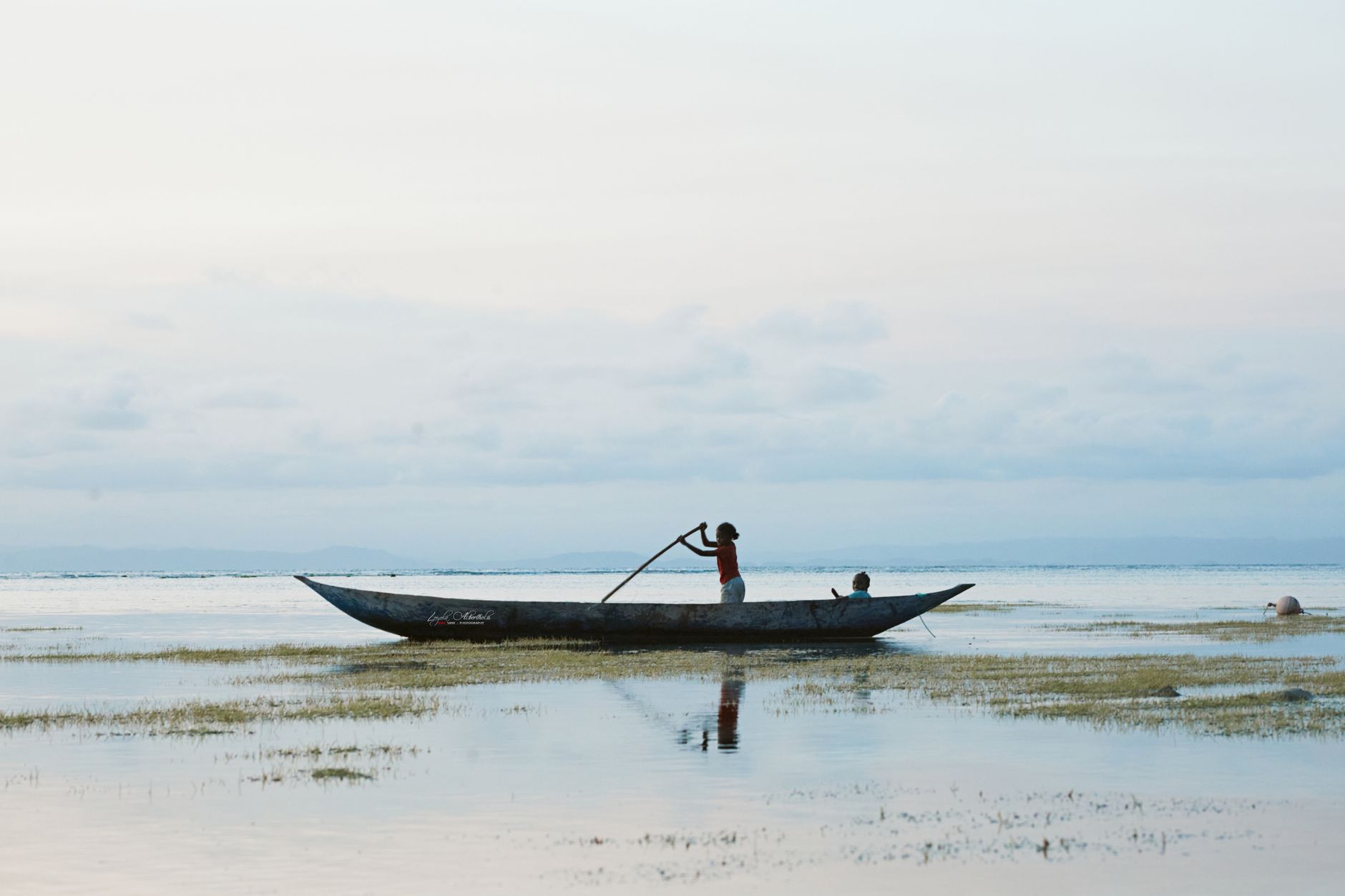
Seaweed farming is a livelihood for many coastal communities across Asia, the Pacific and parts of Africa and the Americas. Farmers grow seaweed on lines or frames in shallow water, tending it through growing cycles before harvesting for food, cosmetics, fertilizers or other products. Some communities welcome visitors to see the work firsthand, offering insight into a practice that is both traditional and increasingly studied for its environmental and economic potential. A well-run tour can be educational and rewarding, but it also needs to respect the people whose daily work it observes. This guide explains how such tours typically work and how to choose one carefully.
What seaweed farming involves
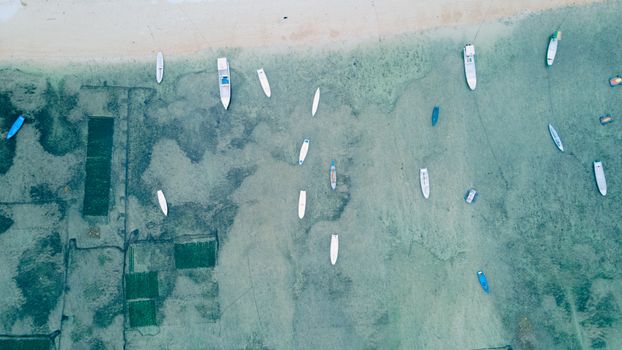
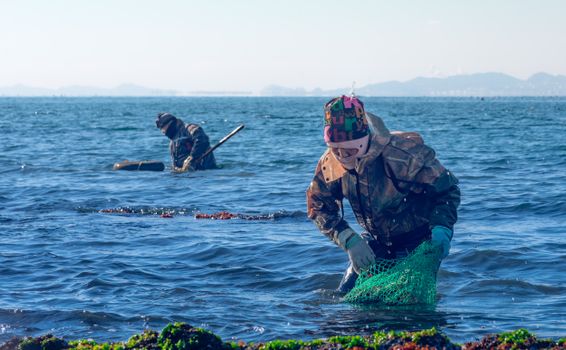
Seaweed farms typically consist of ropes, lines or nets anchored in sheltered water. Farmers attach young seaweed fragments, known as seedlings, and tend them as they grow, checking for pests, debris and changing currents. Harvesting is often done by hand or with simple tools, followed by drying and sorting. Cultivation depends on water quality, temperature and local knowledge passed down through families. Understanding this cycle makes a tour more meaningful.
What a visit typically includes
Tours may include a boat trip to the farm, a demonstration of line preparation, a chance to see harvesting in progress and a walk through a drying area. Some visits feature a shore lunch or a cooking demonstration with local seaweed. Others focus on the history of the community and its fishing traditions. The depth of the experience depends on the operator, so ask what the programme includes before booking.
Choosing a respectful operator
Community-based tours work best when the community leads them and benefits directly. Look for operators that are owned or managed locally, that pay farmers fairly for their time, and that limit group sizes to avoid disruption. Ask how income is shared and whether the community has agreed to visitors. Be wary of tours that treat residents as entertainment or that encourage intrusive photography.
Respecting work and daily life
Seaweed farming is work, and visitors should remember that they are guests in a working environment. Stay out of the way of farmers, follow instructions about where to stand or walk, and avoid touching equipment unless invited. Photograph people only with permission, and be sensitive about entering homes. Dress modestly if the community is conservative, and learn a few words of the local language to show respect.
Environmental considerations
Seaweed farms are part of marine ecosystems, and water quality affects both the crop and surrounding life. Avoid stepping on lines, do not remove seaweed or marine life, and use reef-safe sunscreen if swimming. Be careful with waste, and carry out any rubbish. Ask about the environmental practices of the community and whether there are local guidelines for visitors.
Practical tips
Book tours through community organizations or reputable local operators, and confirm what is included, the duration and the meeting point. Check tide times and weather, because boat trips can be affected by wind and swell. Bring a hat, water, a light rain layer and footwear suitable for wet boards. Ask questions with curiosity, but respect the pace of work. Consider buying dried seaweed or related products directly from the community, if the tour offers this, and keep receipts for any items you bring home. Finally, reflect on what you learned and share it accurately with others.
Common mistakes to avoid
A common mistake is judging a tour by how polished its brochure looks rather than by how the community describes its work. Visitors may also expect a fixed amount of hands-on time, then feel disappointed when the day revolves around observation. Another error is arriving with a long list of questions about profits, which can feel intrusive. Some travelers assume a single visit tells the full story of a farm's year, when seasons, weather and market conditions shape the work in many ways. Finally, buying souvenirs from roadside sellers can mean missing the chance to support the people who actually grow and process the product.
Who this suits and who it doesn't
These tours suit travelers who value community perspectives and enjoy learning from people whose livelihoods depend on the sea. They can suit visitors interested in food systems, sustainability and coastal economies, and those happy to follow instructions on a working site. They are less suitable for people seeking a relaxed beach day, anyone who dislikes small boats, or travelers whose schedule cannot absorb changes if weather alters the programme. People with certain medical conditions should check whether boat travel and wet footing are suitable for them before booking.
Frequently asked questions
Are these tours always run by farmers? Not always. Some are organized by cooperatives, while others are small tourism businesses working with the community.
Can I help with the work? Only if the host invites you. Follow instructions carefully, since mistakes can damage lines or crops.
How can I give feedback? Share your experience with the organizer directly, and be accurate and respectful when writing about the visit.
A seaweed farming tour can open a window onto a livelihood that many visitors never see. By choosing a community-led experience, respecting the work and taking care of the coastal environment, you can make the visit a positive exchange rather than a passing spectacle.