The Hook: Where the Ocean Whispers Secrets of Sustainability
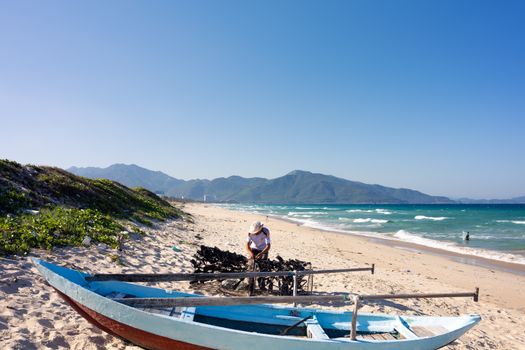
I stepped off the ferry, the salty spray kissing my cheeks, and was immediately enveloped by a symphony of sounds: the gentle lapping of waves against weathered wooden docks, the distant cry of gulls, and the murmur of hushed conversations in a language I didn’t quite understand, yet felt deeply. The air, thick with the briny perfume of the sea and something else… something earthy and green, pulled me in. This wasn't just another picturesque coastal village; this was a living, breathing testament to human ingenuity and our planet's incredible bounty. I was here to explore the burgeoning world of seaweed farming tours in coastal communities, an experience that promised to be as enriching as it was eye-opening. Forget predictable island hopping; this is where the future of travel, and perhaps our planet, is being cultivated.
Unveiling the Emerald Harvest: Why Seaweed Farming Tours Are the Next Big Thing
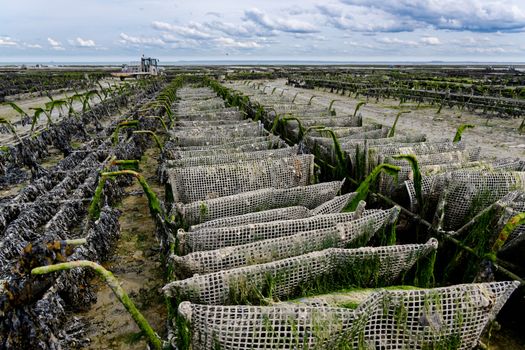
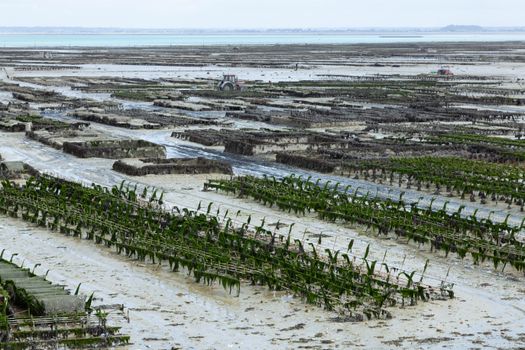
For too long, the ocean’s gifts have been taken for granted. But a quiet revolution is underway in coastal communities worldwide, and it’s green, it’s delicious, and it’s incredibly sustainable. Seaweed farming isn't just about cultivating a superfood; it's about restoring marine ecosystems, creating local jobs, and offering travelers a truly unique, hands-on experience. These tours aren't just about observation; they're about participation, connection, and understanding the profound relationship between humans and the sea.
Beyond the Beach: Experiencing Authentic Coastal Life
What sets these tours apart is their deep immersion into the fabric of coastal life. You’re not just a tourist; you’re a temporary resident, invited into the rhythm of communities that have lived by the sea for generations. Imagine:
- Waking with the tides: Many tours begin at dawn, mirroring the farmers' schedule, offering a chance to witness the serene beauty of the ocean as it awakens.
- Hands-on harvesting: Depending on the tour, you might find yourself knee-deep in the shallows, carefully gathering kelp, or assisting with the delicate process of seeding new growth.
- Local culinary secrets: The freshest seaweed isn't just for show. Many tours culminate in a farm-to-table meal, where you’ll savor dishes prepared with freshly harvested sea vegetables, often featuring local spices and traditional recipes passed down through families. Think umami-rich broths, crispy sea greens, and perhaps even a seaweed-infused gin.
Where to Find Your Ocean Farming Adventure: Spotlight on Leading Communities
The beauty of seaweed farming tours is their growing global presence. While the specifics vary, the core experience of connecting with sustainable marine agriculture remains. Here are a few regions where you can currently find incredible opportunities:
The Nordic Shores: Pioneers of Kelp Cultivation
Norway and Scotland are at the forefront of innovative seaweed farming. Their cold, nutrient-rich waters are ideal for cultivating various kelp species.
- What to Expect: Tours here often focus on the scientific aspects of kelp farming, its nutritional benefits, and its potential in bioremediation. You'll likely visit large-scale offshore farms, learn about advanced cultivation techniques, and sample premium seaweed products. The landscapes are dramatic – think rugged coastlines, fjords, and mist-shrouded islands.
- Insider Tip: Look for tours that partner with local chefs or food producers. The culinary experiences in these regions are exceptional, highlighting the versatility of kelp in modern cuisine.
The Pacific Coast: A Fusion of Tradition and Innovation
From the Pacific Northwest of the USA to the coasts of Japan, seaweed has a deep cultural significance.
- What to Expect: In the US, you'll find smaller, community-driven farms often focusing on regenerative practices and educating visitors on the ecological benefits of kelp forests. In Japan, expect to learn about centuries-old traditions of nori and wakame cultivation, with opportunities to participate in hands-on harvesting and preparation. The cultural exchange here is profound.
- Pro-Tip: If visiting Japan, seek out tours in coastal towns known for their traditional seaweed production. The authenticity of the experience, from the rickety boats to the warm hospitality, is unparalleled.
The Atlantic Isles: Emerging Hubs of Ocean Agriculture
Ireland and the UK are rapidly developing their seaweed farming sectors, driven by a passion for sustainability and a desire to revitalize coastal economies.
- What to Expect: These tours often offer a blend of learning about marine biology, the environmental benefits of seaweed cultivation, and the practicalities of running a seaweed farm. You might also get to try your hand at hand-raking sea vegetables from intertidal zones. The scenery is breathtakingly green and often dotted with ancient ruins.
- Quick Facts:
- Estimated Costs: $75 - $250 per person for a half-day to full-day tour, excluding accommodation and meals.
- Best Time to Visit: Spring to Autumn (May - October) for optimal weather and harvesting seasons.
- How to Get There: Flights to major regional airports, followed by car rental or local public transport. Many tours offer pick-up from local towns.
A Day in the Life: My Seaweed Farming Immersion
My recent tour in a small village on the Irish coast was a perfect encapsulation of this burgeoning travel trend.
The Morning Ritual: Embracing the Sea's Embrace
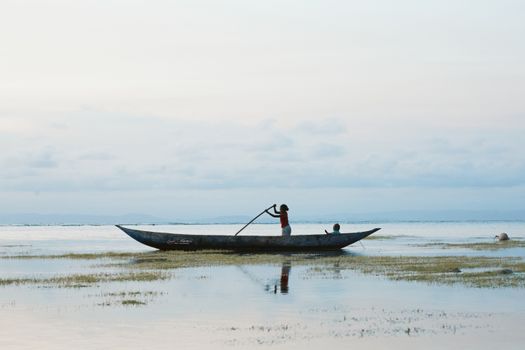
The day began before the sun had fully committed to painting the sky. I met my guide, Liam, a man whose weathered hands and bright eyes spoke of a life lived in harmony with the ocean. He led me to a small, sturdy boat bobbing gently in the harbor. The air was crisp, carrying the scent of damp wood and the unmistakable tang of the sea. Liam explained the day's plan: a visit to their offshore kelp farm, followed by a demonstration of drying and processing techniques.
Out at Sea: Dancing with the Kelp Forests
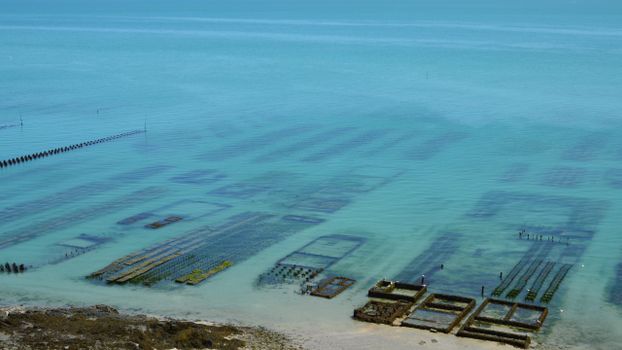
As we motored out, the coastline receded, revealing a vast expanse of sapphire water. The wind whipped my hair, a refreshing counterpoint to the warming sun. Then, we arrived. Rows upon rows of long ropes, stretching for hundreds of meters, were suspended just beneath the surface. These were the nurseries for their kelp. Liam skillfully maneuvered the boat, showing me how they’d seeded these ropes months ago, and how the kelp had since grown into lush, emerald strands.
The Harvest: A Gentle Tug of the Ocean's Bounty
"Time to get your hands wet," Liam grinned, handing me a pair of thick gloves. We carefully pulled sections of the kelp from the ropes. It was surprisingly resilient, yet yielding. The texture was smooth, almost slippery, and the weight of the harvest was satisfying. Liam explained the different species they cultivated – Sugar Kelp, Dulse, Sea Lettuce – each with its unique flavor profile and culinary applications.
Back on Shore: From Ocean to Plate
Back on land, the magic continued. We moved to a small, sun-drenched shed where the harvested kelp was laid out to dry. The aroma intensified, a rich, mineral scent that filled the air. Liam demonstrated traditional drying methods, spreading the kelp on racks, and then showed me how they processed it into flakes and powders.
The Feast: A Taste of the True Ocean
The highlight, of course, was the meal. Liam's wife, Maeve, had prepared a feast that celebrated their harvest. Freshly grilled fish, drizzled with a kelp-infused oil, a vibrant salad featuring sea lettuce and dulse flakes, and a surprisingly delicious kelp and potato chowder. Each bite was a revelation – a pure, unadulterated taste of the ocean, enhanced by the community's passion and skill. It was a meal that nourished not just the body, but the soul.
Pro-Tips for Your Seaweed Farming Adventure
To make the most of your journey into the world of seaweed farming, keep these insider tips in mind:
- Book in Advance: These tours are often small and intimate, especially during peak season.
- Pack Appropriately: Expect to be outdoors, often near water. Waterproofs, sturdy shoes, and layers are essential.
- Be Open to Learning: These tours are educational. Ask questions, engage with the farmers, and soak up their knowledge.
- Embrace the Local Cuisine: Don't be shy! Try every dish. Seaweed is surprisingly versatile and delicious.
- Check the Season: While some aspects of seaweed farming are year-round, harvesting seasons vary.
- Consider the Environmental Impact: Choose tours that emphasize sustainable practices and community benefit.
The Future is Green, and It Smells Like the Sea
Seaweed farming tours are more than just a travel trend; they represent a paradigm shift in how we interact with our planet. They offer a tangible connection to sustainable food systems, marine conservation, and the vibrant cultures of coastal communities. It’s an opportunity to learn, to taste, and to be inspired by the incredible potential of the ocean. So, if you’re looking for an adventure that’s off the beaten path, deeply authentic, and genuinely impactful, pack your bags and set sail for the nearest seaweed farm. The ocean is calling, and it has a delicious, sustainable secret to share.