Seaweed farming is a significant livelihood in a number of coastal communities, particularly in parts of Southeast Asia, East Africa, and the Pacific. Farmers grow seaweed on ropes or nets in shallow water, harvest it at intervals, and sell it for food, cosmetics, fertilizers, and other products. Some communities welcome visitors who want to learn about the work, and these tours can offer insight into marine resources and local economies. Because the work is a livelihood, visits need careful planning to avoid disruption and to ensure that the benefits reach the community.
How seaweed farming works
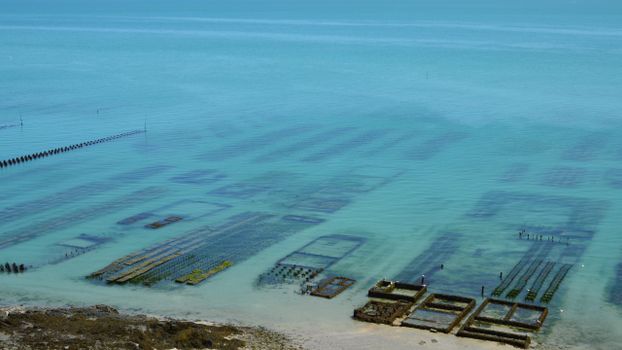
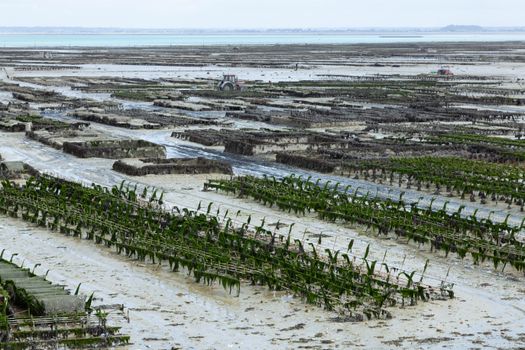
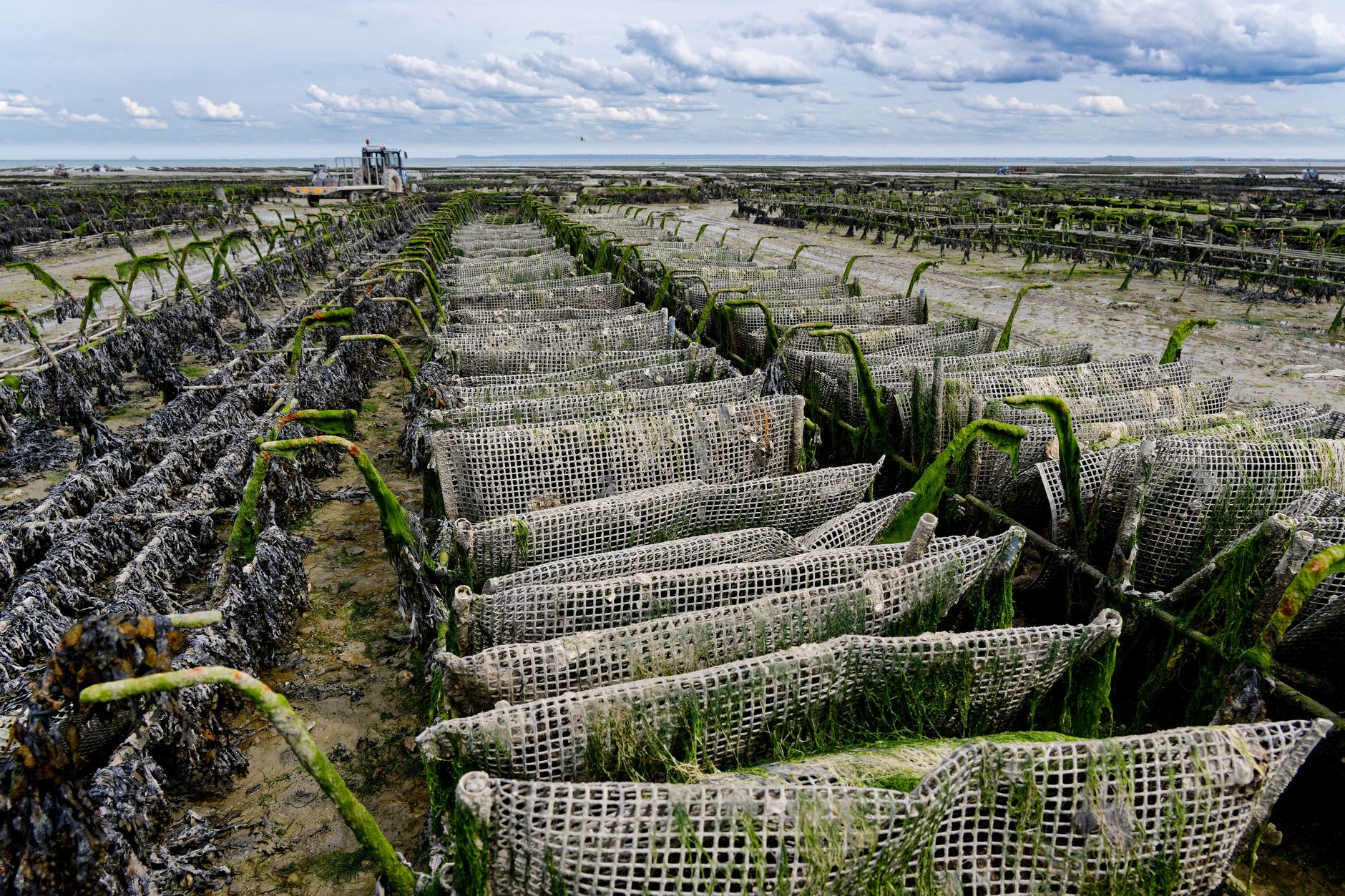
Most farms use simple systems. Seaweed is tied to lines or grown on nets suspended in clear coastal water, where it attaches to the structure and grows over a period of weeks. Farmers return regularly to check, clean, and harvest, often working from small boats or from the shore. Common species include red and brown seaweeds, and the processing that follows may involve drying, sorting, and packing. The tide, weather, and water quality all affect the crop, so farming is closely tied to the rhythms of the sea.
Understanding the basic cycle helps visitors appreciate the labor involved. Seaweed farming requires physical work in water, careful monitoring of the crop, and an understanding of market prices, which can fluctuate significantly.
Where tours are offered
Seaweed farming tours are offered in several coastal regions, often through community-based initiatives, local cooperatives, or small tourism enterprises. Some are organized around a single village where farmers host visitors for a morning or afternoon. Others are part of wider coastal experiences that include fishing, boat trips, or mangrove visits. The availability of tours changes with local conditions, so it is best to check with community organizers or reputable local operators.
Look for tours that are led or approved by community members rather than external companies that use farmers as backdrops. Ask who receives the income from the tour and how decisions about visits are made within the community.
What a visit usually involves
A typical visit may include a short boat ride to the farm, a demonstration of how lines are tied and harvested, and an explanation of drying and processing. Visitors may be invited to help with light tasks under supervision, such as sorting or tying, though this depends on the farm and the safety rules involved. Farmers may share information about the species grown, the seasons, and challenges such as storms, disease, or market changes.
Some tours include a tasting or a meal featuring seaweed dishes. Be respectful when trying local food, and ask about ingredients if you have allergies or dietary restrictions. Wear sun protection and water shoes, and follow the guide's safety instructions when on or near the water.
Ethical and practical considerations
Seaweed farming is sensitive to disturbance. Walking on lines, touching crops, or taking unauthorized samples can damage a farm and reduce income. Keep to designated paths and avoid entering the water without guidance. Photography should be discussed with hosts first, and you should not take pictures of people without permission, particularly children.
Consider the economic effect of your visit. Tours should pay fairly for the time and access provided, and visitors can support the community further by buying dried seaweed or other local products directly from cooperatives. Be cautious about excessive tourist numbers, since a large group can disrupt work on the water and create pressure on small communities.
Learning about the wider marine system
Seaweed farming connects to broader issues, including water quality, climate change, and ocean health. Some farms are part of efforts to diversify coastal livelihoods or reduce reliance on overfishing, while others face challenges such as disease, storms, or fluctuating demand. Asking thoughtful questions can lead to rich conversations, but be mindful that not every farmer will want to discuss business details, and respect any reluctance.
Practical tips
- Choose tours that are run by or approved by the community, and ask how the income is shared.
- Confirm timing with the organizer, since harvest and weather can change the schedule.
- Wear water shoes, sun protection, and clothing that can get wet.
- Keep to designated paths and do not touch crops or equipment without permission.
- Ask before photographing people, and avoid taking pictures of children without consent.
- Buy locally made products directly from cooperatives where possible.
Common mistakes to avoid
A common mistake is treating a working farm as a backdrop for photographs and social posts. Visitors may also arrive without checking the harvest schedule, which can mean seeing no activity at all, or arriving during a busy period that disrupts the crew. Some offer to help with tasks they have not been asked to join, which can slow work and create safety concerns. Another error is expecting a polished, entertainment-style show, when the reality is often practical and sometimes physical. Finally, travelers sometimes ask detailed questions about prices or income at the wrong moment, which can make hosts uncomfortable. Waiting for a natural pause in the work is usually a better approach.
Who this suits and who it doesn't
Seaweed farm visits suit travelers curious about marine work, local food systems and small-scale coastal economies. They can suit visitors who enjoy learning from people who work with their hands, and those comfortable on small boats in calm conditions. They are less suitable for people who need a fixed schedule, who dislike wet or windy conditions, or who are uncomfortable with simple facilities. Travelers with mobility limits should ask whether boarding and walking on wet surfaces will be manageable, and families with young children should check safety rules before booking.
Frequently asked questions
Do tours always involve a boat? Often, but some farms are reached from the shore. Ask the organizer what the route involves.
Can I bring children? Many communities welcome families, but safety rules and age limits differ, so confirm in advance.
Is it fine to ask questions? Usually, as long as they are polite and the farmer has time. Accept it gracefully if someone prefers not to discuss business.
Seaweed farming tours can offer a grounded view of coastal life and the work that supports many families. A respectful visit is one that follows local guidance, supports fair income, and recognizes that the farm is a working place first. When visits are planned with the community rather than imposed on it, both visitors and hosts are more likely to benefit.