The Hook: A Morning in the Shallows
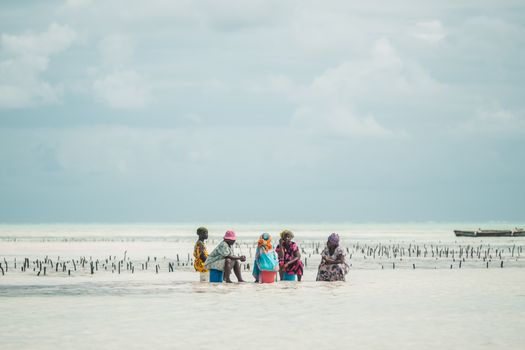
I stepped off the wooden ngalawa into knee-deep, bath-warm water that felt more like liquid silk than the Indian Ocean. The sun had barely cleared the horizon, painting the sky in shades of bruised peach and spun gold, but the flats of Paje, Zanzibar, were already buzzing with quiet activity.
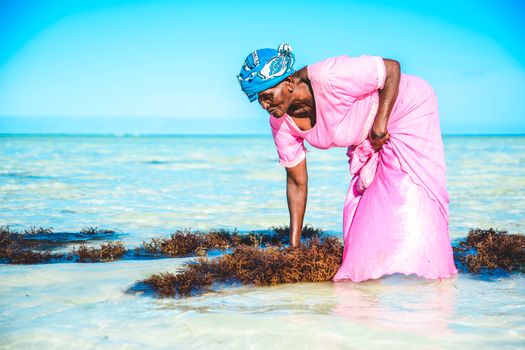
Around me, the sharp, sulfurous-sweet aroma of marine vegetation baked under the rising equatorial sun. I watched as Mama Fatima, her brightly patterned kanga tucked securely around her waist, drove a pointed mangrove stake into the white calcium-carbonate sand with a rhythmic, wooden thud.
"Step here," she instructed, pointing to a patch of sand clear of the sea urchins hiding in the seagrass. She handed me a wet, rubbery strand of Eucheuma denticulatum—spiny red seaweed—and showed me how to tie it to a nylon line stretched between two stakes.
This wasn’t a passive sightseeing excursion. My fingers were slick with saltwater, my back was bent to the tide, and I was actively participating in a regenerative agricultural system that is saving coastal ecosystems and empowering local women.
This is the reality of the blue tourism revolution. Travelers are no longer content to simply look at the ocean; they want to work with it. Across the globe, seaweed farming tours are emerging as the ultimate sustainable travel experience, offering an intimate look at the communities pioneering the future of food, cosmetics, and climate action.
---
1. Why Regenerative Aquaculture is the Ultimate Travel Trend
For decades, coastal tourism meant consumption: beachfront resorts, jet ski rentals, and seafood platters of questionable origin. But a new wave of conscious travelers is demanding regenerative experiences—activities that leave a destination ecologically and socially better off than before.
Enter seaweed farming. As a zero-input crop, seaweed requires no fresh water, no arable land, no fertilizers, and no pesticides. It actively deacidifies the ocean, absorbs massive amounts of carbon dioxide, and provides critical habitats for marine life.
When you book a seaweed farming tour, your tourism dollars go directly to the coastal communities on the front lines of climate change. You aren't just buying a ticket; you are funding the transition from extractive coastal economies to sustainable, ocean-positive livelihoods.
---
2. The Emerald Shallows of Paje, Zanzibar
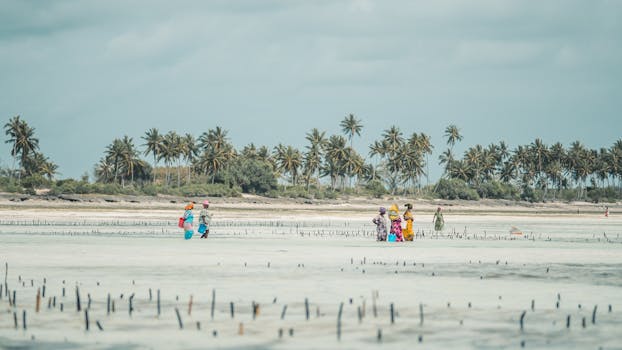
Zanzibar’s east coast is famous for its powder-soft sand, but the real magic happens during the low tide cycle when the ocean retreats for miles, revealing a patchwork of underwater farms.
The Mamas of the Tide
In Zanzibar, seaweed farming is almost exclusively the domain of women. Historically, coastal women had limited economic opportunities, but the introduction of seaweed cultivation in the late 1980s transformed them into primary breadwinners.
Joining these women on the flats is a masterclass in resilience. You will walk out to the farms at low tide, help plant new seedlings on monofilament lines, and harvest mature crops that are dried on high wooden racks back on the beach.