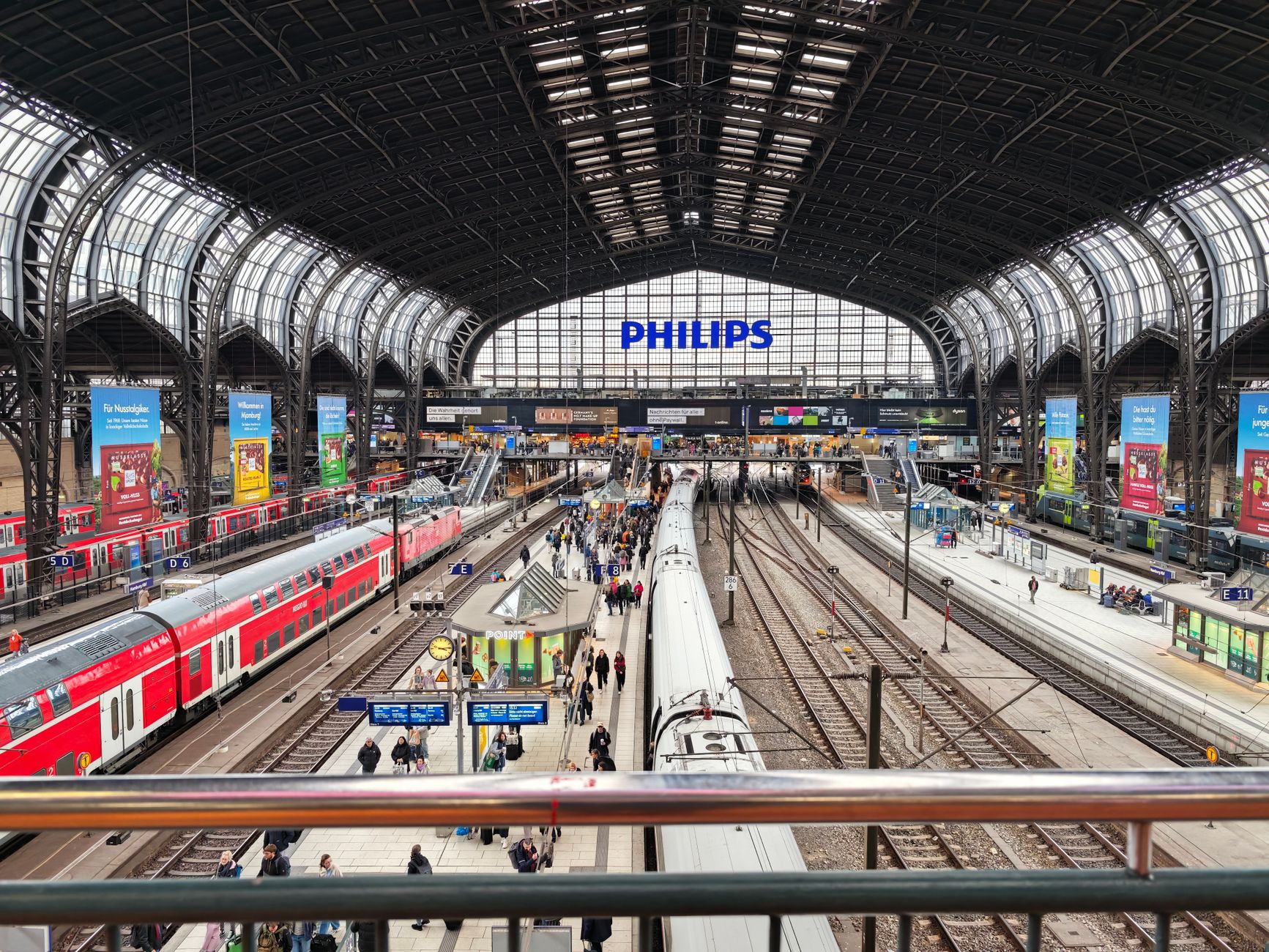
Swapping a short flight for a train can save you stress, but only if you plan it properly. The good news is that the process is simpler than most first-timers expect. This guide is a practical, step-by-step approach you can apply to almost any short route in Europe, East Asia or elsewhere with decent rail service. It is written as a working checklist rather than a tour of destinations, so keep it open while you plan.
Details such as fares, schedules and entry requirements change, so confirm everything with the operator's official website before you commit.
Step 1: Work out the real flight time
Before you decide a train is better, honestly estimate how long the flight would take from your front door to your destination's city center. Add up each of these pieces:
- Getting to the departure airport, which may be far from where you are staying.
- Arriving early for check-in and security.
- Boarding, taxiing and the flight itself.
- Waiting for baggage if you check a bag.
- Getting from the arrival airport into town.
For a flight that is billed as an hour, the total is often well over four hours. That total is the number your train needs to beat, and on many routes it does so comfortably.
Step 2: Find the train options
Start with the national railway operators for the countries you are traveling through. Most have English-language booking pages. Then check a multi-country journey planner, which will show combinations across borders.
What to look for as you compare:
- Direct versus connecting services. Direct trains are less stressful. Each change adds risk.
- Station locations. A central station near your accommodation is a major advantage.
- Frequency. If trains run every hour or so, you have flexibility. If there are only two a day, you must plan around them.
- Journey type. High-speed services are quicker but usually need reservations; regional trains are slower but often cheaper and sometimes more flexible.
If you find a route where the timetable shows a train of under three hours between city centers, you are probably looking at a good replacement for a flight.
Step 3: Compare cost honestly
Train fares and flight fares are not always directly comparable. Rail tickets often follow a pattern where early booking is much cheaper, while last-minute fares can be steep. Airlines can be inexpensive on paper but add charges for bags, seat selection and airport transfers.
Make a short list of what each option really costs:
- The ticket itself, including any reservation fee.
- Baggage charges.
- Transport to and from the airport or station.
- Meals, if you would buy them at an airport.
- The cost of your time, if you value it.
Do not assume the train is cheaper. Sometimes it is, sometimes it is not, and sometimes the difference is small enough that comfort decides it.
Step 4: Decide how flexible you need to be
Most operators offer a cheaper, restricted fare and a more expensive flexible fare. Think about how likely your plans are to change.
- If your dates are fixed, a restricted fare can save money.
- If you are traveling for business or connecting to something uncertain, flexibility is worth paying for.
- If you hold a rail pass, check whether the specific train needs a seat reservation, and whether reservations are limited in number.
Read the change and refund rules before paying. They vary widely by country and fare type.
Step 5: Book at the right time
Booking windows differ. Some operators release tickets a few months in advance; others open only a few weeks ahead. Sign up for the operator's newsletter or check the booking calendar if you want the best fares.
Tips:
- For holiday weekends, festivals and school breaks, book as soon as tickets open.
- For midweek travel outside peak times, you will often find decent options closer to the date.
- Keep your confirmation email, and save tickets to your phone so they work offline.
Step 6: Plan your arrival at the station
A train is less rigid than a flight, but you should still plan your arrival properly.
Typical guidance:
- Domestic high-speed in many countries: arrive 15 to 30 minutes early, enough to find the platform and board calmly.
- Cross-border trains with border checks, such as the Channel Tunnel route: follow the operator's recommended arrival time, which is considerably longer.
- Chinese and some other high-speed networks: expect identity checks and security screening at the station, so allow extra time.
Look at the station layout in advance. Large stations can be confusing, and platform announcements may appear only shortly before departure.
Step 7: Pack for a train, not a plane
One of the pleasures of rail is relaxed luggage rules, but a little preparation helps.
- Use a bag you can lift onto an overhead rack or a luggage shelf.
- Keep valuables, documents and a charger with you, not in a stored suitcase.
- Bring a light snack and a water bottle; onboard catering varies.
- Pack a small layer, since carriages can be cold or warm.
- Consider a lock for larger bags left on racks at the end of a carriage.
If you are carrying large items such as skis or bikes, check the operator's policy. Some services require a reservation for them.
Step 8: Prepare for the unexpected
Delays and cancellations happen on any mode of transport. To protect yourself:
- Know what the operator's compensation rules are for delays.
- Keep your ticket details handy for any claim.
- Avoid tight onward connections, especially on the same day as a flight home.
- Have a backup plan, such as a later train or a bus alternative.
If you are heading to an international flight, leave a generous buffer, and if you can, consider booking the train and flight on a single itinerary so the airline may have an obligation to rebook you after a delay. Rules differ, so confirm the conditions directly.
Step 9: Enjoy the journey
The advantage of a train is that the trip itself can be pleasant. Pick a seat that suits you: a window for scenery, a table for working, a quiet car if you want peace.
Ways to use the time:
- Catch up on messages or work, since many trains have power sockets and sometimes wifi, though connectivity can be patchy.
- Read, listen to a podcast or simply watch the landscape.
- Walk to a dining car or buy something from a trolley where available.
Common mistakes to avoid
- Ignoring station location. Some cities have several stations, and the one your train uses may not be convenient.
- Booking the cheapest ticket without reading the rules. Non-refundable can mean exactly that.
- Assuming all trains run late at night. Last services can be earlier than you think.
- Skipping reservations. On many high-speed trains, a seat reservation is mandatory.
- Leaving no buffer for a connecting flight. Always add extra time.
A sample plan for a typical trip
Imagine a trip from one capital city to another, about two and a half hours apart by high-speed train. A sensible plan could look like this:
- Check the train timetable and see departures roughly hourly.
- Choose a morning service so you have the day in the destination city.
- Book a restricted fare a few weeks ahead if your dates are firm.
- Aim to be at the station twenty or thirty minutes early.
- Take hand luggage plus one medium bag, stored on the rack.
- Walk or take local transit from the arrival station to your hotel.
Compare this with a flight, where you might leave your accommodation hours earlier and still arrive at an airport far from the city center. For many travelers, the difference is obvious.
Frequently asked questions
Is it harder to book trains than flights? Not really. Operators' websites and apps have improved a lot, and most accept international cards. The main difference is that you may need to use several different sites for a multi-country trip.
Do trains accommodate disabled travelers? Many operators offer assistance services, but you often need to request them in advance. Contact the operator before travel to arrange boarding help, accessible seating and station support.
Should I choose first class? It depends on the operator and the length of the journey. Premium classes can add space, quieter carriages or meals, but on a short trip standard class is frequently perfectly comfortable.
Can I use a rail pass instead of buying individual tickets? Sometimes. Passes can be cost-effective if you will take several long trips, but they may require reservation fees and do not cover every service. Work out the individual ticket prices first, then compare.
Summary
Replacing a short flight with a train is mostly about honest comparison and early planning. Estimate the real door-to-door time of the flight, find the central-station options, compare true costs, choose the right level of flexibility, and book when tickets open. Arrive at the station with time to spare, pack light and keep a backup plan. Do those things and a train journey can be calmer, more comfortable and surprisingly often quicker than a flight of the same distance. As always, check current schedules, fares and entry rules with official sources before you go.