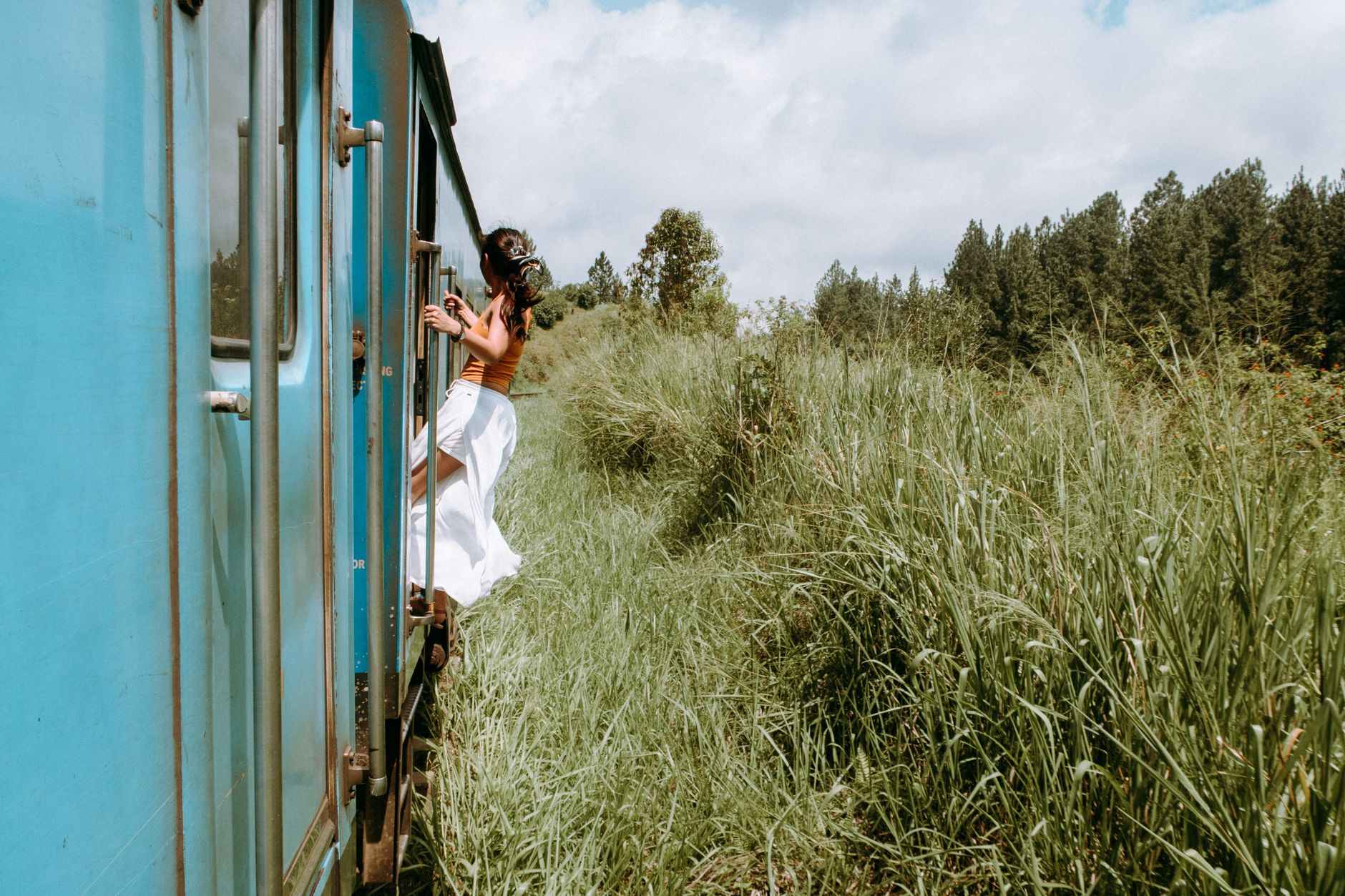
Few forms of travel reward patience as well as a scenic railway does. Instead of racing toward a destination, the journey itself becomes the focus, with windows framing gorges, glaciers, high plateaus and desert canyons. Several routes around the world are known for exactly this quality, and many attract travelers who want to see landscapes at a human pace. Because train services change over time, the details below describe the general character of these journeys rather than fixed schedules or fares.
Routes Known for Dramatic Scenery
The Glacier Express in Switzerland is among the most widely known scenic services. It typically runs between Zermatt and St. Moritz and takes most of a day, passing through alpine valleys, viaducts and tunnels. The Bernina Express links Tirano in Italy with St. Moritz in Switzerland and crosses the high Bernina Pass. Both routes use the historic Rhaetian Railway network, which is recognized as a UNESCO World Heritage Site for its engineering. Check current timetables, since seasonal services and carriage types can differ from year to year.
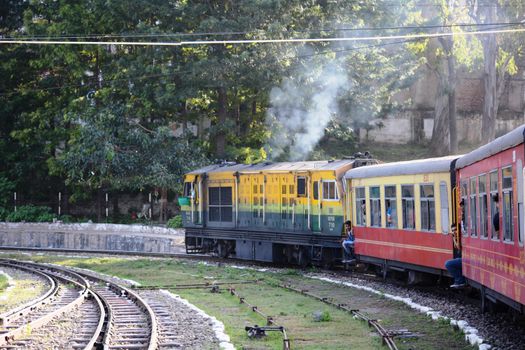
Elsewhere, the Darjeeling Himalayan Railway in India is a narrow-gauge line that climbs through tea estates and forested hills toward the town of Darjeeling. The Copper Canyon route in Mexico, operated as the Chihuahua Pacífico, crosses deep canyons and high country in the Sierra Madre. In Australia, The Ghan connects Adelaide and Darwin across desert and outback terrain. Canada's Rocky Mountaineer offers scenic routes through the Rockies that are often sold as multi-day packages.
Mountain Crossings in Europe and North America
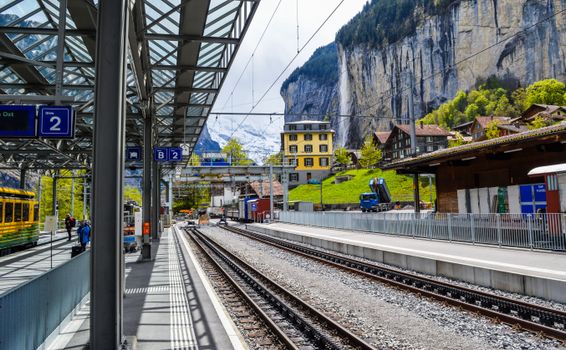
Mountain railways in Europe and North America tend to combine engineering interest with views of high peaks, lakes and valleys. Many routes follow old alignments built to overcome steep gradients, using spiral tunnels, bridges and switchbacks. The character of the journey can change quickly, so a window seat on the correct side of the train often makes a noticeable difference. Panoramic carriages, where available, may offer large glass roofs, though seats in these carriages can sell out quickly and may carry a supplement.
Rail travel in these regions can usually be combined with walking, cable cars or boat crossings. Planning a route with one or two overnight stops allows time to explore towns along the way without rushing between connections.
Desert and Coastal Routes
Desert railways reward travelers who enjoy wide horizons and changing colors. Journeys across arid terrain can be long, and onboard facilities such as dining cars, air conditioning and power outlets vary by operator and class. Temperatures can be extreme in some regions, so it helps to check whether trains are air-conditioned and what to bring for the day. Coastal routes provide a different experience, with sea views, rocky shorelines and fishing villages visible from the window. Some of the most memorable stretches run along cliffs or beside lagoons, and the best light is often in the morning or late afternoon.
Choosing a Seat, Class and Timing
Choosing the right seat can shape the entire journey. On many routes, the best views are on one side of the carriage, and the side changes depending on the direction of travel and where the route turns. Ask the operator or a station staff member which side is recommended before boarding. Classes differ in comfort, space and included services, and some premium carriages include meals and guided commentary. Booking early is usually wise for popular departures and for seats with good views, although flexible fares may exist for some services.
Timing also matters. Daylight is best for views, so check sunrise and sunset times for your travel dates. Weather can reduce visibility in mountain or desert regions, and some services may be affected by snow, rockfall or maintenance, so it is sensible to keep flexible plans where possible.
Practical Tips
Confirm the current timetable and whether the service runs on your chosen date, since many scenic trains operate seasonally or only on certain days. Bring water, snacks, sun protection and a light layer, because temperatures can change along the route. Keep a small bag with essentials within reach, and allow extra time for connections and luggage handling at stations. Take photographs with care, keeping lenses clean and avoiding flash through windows, which can reflect into the frame. Read the operator's terms for cancellations and refunds before purchasing.
Who this suits and who it doesn't
Scenic rail journeys suit travelers who enjoy slow pacing, reading or photographing from a window, and the feeling of moving through a landscape at human speed. They can suit families with older children, solo travelers and couples who want a relaxed stretch within a longer trip. They are less suitable for people who need a fixed arrival time, those who get motion sickness easily, or travelers with limited mobility who may find boarding and moving around the carriage difficult. If your main priority is covering distance quickly, a scenic line may use up more of the day than you expect.
How to decide if a scenic train suits your trip
Ask yourself a few questions before choosing a route:
- Is the journey itself part of what you want, or is it only a means of reaching a destination?
- Can you accept that schedules may shift in mountain or desert weather?
- Do you have time for a day of travel without filling it with other plans?
- Would a shorter section still give you the views you care about?
- Are you comfortable with limited onboard facilities on long stretches?
If most answers are yes, a scenic route may suit you well. If not, a shorter section or a different transport option may be a better fit for the trip you have in mind.
Frequently asked questions
Are scenic trains only for tourists? Many are used by local passengers as well, although some services are designed mainly for visitors.
Is it worth paying more for a premium class? It depends on what you value. Extra space, meals or commentary may matter to some travelers and little to others.
What if the weather spoils the view? Mountain and desert scenery can be obscured by cloud, dust or rain. Flexible plans and a spare day in the area can soften the disappointment.
Scenic trains offer a way to see landscapes that are difficult to reach by road and that many travelers find memorable. A little preparation, including checking timetables, choosing the right seat and planning for changing conditions, helps turn a long ride into one of the highlights of a trip.