The Secret World Beneath: Unveiling Underwater Wonders for Every Explorer (No Swimming Required!)
I remember the sting of disappointment, vividly. It was my first trip to the Maldives, a place synonymous with crystalline turquoise waters and vibrant coral gardens. My friends were suiting up for their daily snorkel and dive excursions, bubbling with excitement about manta rays and reef sharks. Me? I was clinging to the edge of the infinity pool, watching them disappear into the azure, a knot of envy tightening in my stomach. I’ve always been a “doggy-paddle-and-pray” kind of swimmer, more comfortable with my feet on solid ground than adrift in the vast ocean. For years, I believed the mesmerizing world beneath the waves was simply not for me.
“You’ll never see the real magic,” a well-meaning local guide once told me, “unless you can dive deep.”
Oh, how wrong he was!
What if I told you that the most breathtaking underwater experiences don’t require a single stroke, a wetsuit, or even getting your hair wet? What if I revealed a world of submerged splendor that even many locals, accustomed to their own natural aquatic prowess, often overlook when recommending experiences to tourists? This isn't about traditional diving; it's about accessible magic, a revolutionary way to connect with marine life that has, until now, been one of the travel world's best-kept secrets.
Today, I’m pulling back the curtain on these incredible, non-swimmer-friendly underwater adventures. These are the experiences that will fill your Instagram feed with awe-inspiring shots, create memories to last a lifetime, and fundamentally change how you view ocean exploration. Forget feeling left out – it’s time to plunge into the deep end, without actually having to swim!
The Myth Debunked: You DON'T Need to Swim to Explore the Ocean’s Depths
For too long, the narrative around marine exploration has been dominated by images of certified divers gracefully navigating reefs or snorkelers effortlessly gliding over shallow waters. This creates a powerful, often intimidating, perception: if you can’t swim, you can’t see the underwater world. This simply isn’t true, and it’s a myth that has kept countless travelers from experiencing one of Earth’s most incredible spectacles.
The truth is, innovation in tourism has opened up a plethora of options for every comfort level. From dry, immersive observatories to helmet-clad seabed strolls, the ocean is now more accessible than ever. The reason locals might not readily share these options? Often, it’s because these activities are specifically designed for tourists, or they simply take their own natural swimming abilities for granted, not realizing the profound impact these alternatives have for non-swimmers like us. They’re so used to the “traditional” way, they forget there are other, equally magical, paths.
Let’s dive into these game-changing experiences!
1. Glimpse into the Abyss: Underwater Observatories & Semi-Submersibles
Imagine sitting comfortably, perhaps with a coffee in hand, as schools of vibrant fish swim right past your window, or a majestic sea turtle glides by, completely oblivious to your presence. This isn't a dream; it's the reality of underwater observatories and semi-submersible tours. These are truly "dry" experiences, offering unparalleled views of marine ecosystems without a single drop of water touching you.
My Personal Revelation: My first "dry dive" was at Coral World Ocean Park in Eilat, Israel. I descended a spiral staircase into their unique underwater observatory, built into the natural reef. As I looked out of the panoramic windows, I felt a childlike wonder. Clownfish darted through anemones, huge groupers patrolled the deeper sections, and the entire ecosystem unfolded before me like a live documentary. It wasn't a static aquarium; it was the real, wild ocean, and I was a silent observer in its heart. The feeling of being truly under the water, surrounded by its inhabitants, without the fear of drowning, was utterly liberating.
Where to Find Them:
- Coral World Ocean Park (Eilat, Israel): The original and one of the best. Their observatory is a multi-level structure offering incredible views of the Red Sea's vibrant coral reef. Price Range: ~$30-40 USD for park entry.
- Atlantis Submarines (Various Locations: Hawaii, Aruba, Grand Cayman, Barbados, Cozumel, etc.): These aren't just observatories; they are legitimate submarines! You descend hundreds of feet into the ocean, sitting in comfortable, air-conditioned cabins with large portholes. You’ll often see shipwrecks, deep-sea coral formations, and larger marine life. My trip on the Atlantis Submarine in Grand Cayman felt like something out of a James Bond movie – we went down to over 100 feet! Price Range: ~$100-150 USD per person.
- Whale Submarine (Maldives): For a truly luxurious and unique experience in the Maldives, the Whale Submarine offers tours that delve into the Maldivian depths. It’s a fantastic way to see the atoll’s incredible biodiversity without getting wet. Price Range: ~$90-150 USD, often part of resort packages.
Why Locals Might Overlook Them: For many locals, especially in island nations, the ocean is their backyard. They might view these as a "touristy" way to see what they can experience by simply swimming or diving. But for non-swimmers, these are gateways to a world previously inaccessible.
2. Walk on the Seabed: Helmet Diving & Sea Walk Tours
This is where things get truly immersive without requiring any swimming skills. Imagine walking on the ocean floor, breathing normally, surrounded by schools of fish that brush past your helmet. Helmet diving (also known as "sea walking") is an incredible experience that puts you directly into the marine environment. You wear a specially designed helmet that rests on your shoulders, constantly supplied with air from the surface, allowing you to breathe naturally. Your head stays dry, and you can even wear your glasses!
My First Underwater Stroll: My foray into helmet diving was with Bali Seawalker in Sanur, Bali, Indonesia. I was nervous, of course, but the guides were incredibly reassuring. They led me down a ladder, and as the heavy helmet was placed on my head, I felt the air pressure equalize. Stepping onto the sandy seabed, about 10-15 feet deep, was surreal. It was like walking on the moon, but with fish instead of stars! They handed me some fish food, and within seconds, I was enveloped in a shimmering cloud of colorful tropical fish. A clownfish peered out from its anemone, and a curious parrotfish nibbled at my fingers. The sheer joy and wonder of that experience are indescribable. I was truly part of the underwater world, not just observing it.
Where to Find Them:
- Bali Seawalker (Sanur, Bali, Indonesia): Highly recommended for its professional setup and beautiful reef. They provide excellent guides and ensure safety. Price Range: ~$60-80 USD for a 30-minute walk.
- Sea TREK (Various Caribbean Locations, Mexico, Hawaii, etc.): Sea TREK is a global brand known for its helmet diving experiences. You can find them in many popular tourist destinations, often at resorts or dedicated marine parks. Their operations are standardized for safety and enjoyment. Price Range: ~$70-100 USD.
- Mauritius, Andaman Islands, Gold Coast (Australia): Many other destinations, particularly those with calm, clear waters and vibrant shallow reefs, offer similar sea walk experiences.
Why Locals Might Overlook Them: Again, it’s often perceived as a specific "tourist activity" rather than a local pastime. While locals might enjoy it, it's not their go-to recommendation, especially when they can free-dive or snorkel effortlessly. But for non-swimmers, it’s an absolute game-changer.
3. The Glass-Bottom Wonders: Boats & Kayaks
Sometimes, the simplest solutions are the most effective. Glass-bottom boats and kayaks offer a fantastic way to observe marine life from the comfort of your vessel. They’re perfect for families, those with mobility issues, or anyone who simply prefers to stay dry while exploring the underwater world.
My Lazy Day Discovery: During a trip to Maui, Hawaii, I stumbled upon a glass-bottom boat tour with a local operator near Ma'alaea Harbor. It was a relaxed, two-hour journey over some stunning reef patches. The boat had a large viewing panel in the hull, and as we cruised, the guide pointed out various types of coral, moray eels hiding in crevices, and even a small reef shark! It was like having a giant, moving aquarium beneath my feet. Later, in Palau, I had the chance to try a glass-bottom kayak. Paddling gently over the incredibly clear lagoons, looking down at giant clams and colorful fish, felt incredibly intimate and eco-friendly.
Where to Find Them:
- Maui, Hawaii: Numerous operators offer glass-bottom boat tours, particularly from Ma'alaea Harbor or Lahaina. Some focus on reef viewing, others combine it with whale watching (seasonal). Price Range: ~$40-70 USD.
- Florida Keys (John Pennekamp Coral Reef State Park): This is America's first underwater park, and their glass-bottom boat tours are legendary. You'll see the famous Christ of the Abyss statue and incredible coral formations. Price Range: ~$30-45 USD.
- Palau: Glass-bottom kayaks are a unique way to explore the famous Rock Islands and their shallow lagoons. Many resorts and tour operators offer rentals or guided tours. Price Range: ~$20-40 USD for kayak rental, guided tours higher.
- Caribbean Islands (e.g., Barbados, Bahamas): Many islands with calm, clear waters offer glass-bottom boat excursions, often combined with beach stops or other activities.
Why Locals Might Overlook Them: Glass-bottom boats are often seen as a very "basic" tourist offering. Locals, who might be avid snorkelers or divers, might not consider it an exciting adventure for themselves, and therefore, might not recommend it as a primary option for visitors. But for non-swimmers, it’s an essential window into the marine world.
4. Shallow Water Secrets: Snorkeling for the Nervous (with a Twist!)
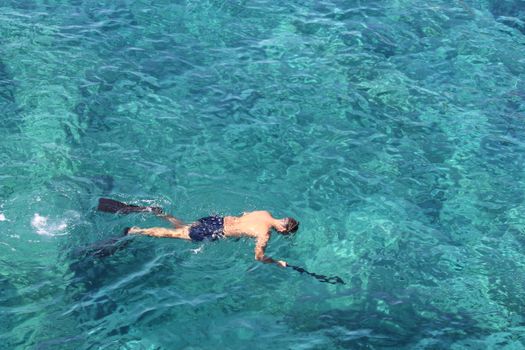
Okay, this one requires some interaction with water, but hear me out! "Snorkeling for the nervous" is about choosing the right environment, the right gear, and the right mindset. You absolutely do not need to be a strong swimmer to enjoy snorkeling, especially in calm, shallow areas.
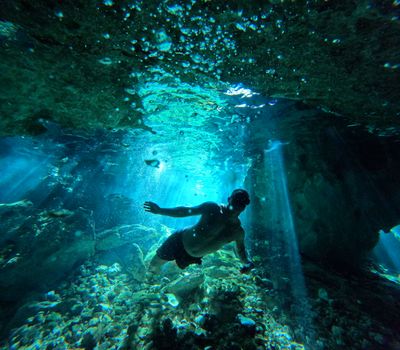
My Breakthrough Moment: My turning point came in Cozumel, Mexico. I’d always avoided snorkeling, convinced I’d drown. But a local guide, noticing my apprehension, took me to a secluded, incredibly calm cenote (a natural freshwater sinkhole). He handed me a full-face snorkel mask (a game-changer for breathing comfort!) and a bright orange life vest. He then led me to a shallow ledge where I could stand, holding onto a rope. From there, I slowly dipped my face into the water. The clarity was astounding. I saw small, iridescent fish flitting between submerged roots and limestone formations. I wasn't swimming; I was floating, completely supported, just observing. It was the most peaceful, awe-inspiring experience. Later, I tried a similar approach in the extremely shallow, protected lagoons of Phi Phi Islands, Thailand, clinging to a life ring, seeing parrotfish and damselfish just a few feet below the surface.
Where to Find Them (and How to Do It Safely):
- Cenotes in Mexico (Yucatan Peninsula): Many cenotes, like Gran Cenote or Dos Ojos (specific sections), have incredibly clear, calm water and shallow areas perfect for nervous snorkelers. The freshwater environment is also less intimidating than the open ocean. Price Range: ~$10-25 USD entry fee for cenotes.
- Protected Coves & Lagoons (e.g., Phi Phi Islands, Thailand; Bonaire; parts of the Red Sea): Look for locations explicitly advertised as having very calm, shallow waters and minimal currents. Resorts often have their own protected beach areas ideal for this.
- Essential Gear:
- Life Vest/Flotation Device: Your absolute best friend. Don't be shy about wearing one, no matter how shallow the water.
- Full-Face Snorkel Mask: These masks cover your entire face, allowing you to breathe naturally through your nose and mouth. They eliminate the discomfort of a traditional snorkel mouthpiece and the fear of getting water in your mouth.
- Reef Shoes: Protect your feet from sharp coral or rocks in shallow areas.
- Tips:
- Choose a reputable tour operator that emphasizes safety and caters to beginners.
- Communicate your non-swimmer status clearly to your guide. They can provide extra assistance and reassurance.
- Start in very shallow water where you can stand up. Get comfortable breathing through the mask before venturing further (with your life vest!).
- Focus on the beauty: Let the vibrant colors and mesmerizing movements of the fish distract you from any lingering anxiety.
Why Locals Might Overlook Them: Locals who grew up swimming might not even consider how intimidating snorkeling can be for others. They might take their incredible shallow reefs for granted or assume everyone can confidently navigate them. But with the right gear and guidance, these shallow havens are perfect for non-swimmers.
5. Insider Tips for Your Non-Swimmer Underwater Adventure
Now that you’re armed with the knowledge of these incredible non-swimmer-friendly options, here are a few extra tips to make your underwater adventure seamless and unforgettable:
- Communicate Clearly: Always inform your tour operator or guide about your comfort level with water. Don't be embarrassed to say you can't swim. Their job is to ensure your safety and enjoyment.
- Read Reviews: Before booking, scour reviews specifically looking for mentions of how the tour accommodates non-swimmers, beginners, or those with apprehension.
- Book in Advance: Especially for popular attractions like Atlantis Submarines or Bali Seawalker, spots can fill up quickly.
- Invest in an Underwater Camera: A GoPro or a good waterproof phone case is essential. You’ll want to capture these incredible moments. The vibrant colors underwater are truly Instagram-worthy!
- Reef-Safe Sunscreen: If you're going to be in or near the water (even for helmet diving), protect yourself and the delicate marine ecosystem by using reef-safe sunscreen.
- Embrace the Experience: Let go of any preconceived notions or fears. These experiences are designed for you to enjoy. Open your mind, and prepare to be amazed.
- Stay Hydrated: Even if you're not actively swimming, being out in the sun and near the water can be dehydrating. Keep a water bottle handy.
- Ask Questions: If you have any concerns about safety, equipment, or what to expect, don't hesitate to ask your guides. A good operator will be happy to put your mind at ease.
The Ocean Awaits, No Strokes Required!
For years, I let the fear of not being a strong swimmer dictate my travel experiences, especially when it came to the ocean. I missed out on so much beauty, so much wonder. But discovering these incredible, accessible underwater adventures has completely transformed my perspective. It proved that the magic beneath the waves isn’t exclusive to the most skilled swimmers or divers; it’s there for everyone.
The locals might not always highlight these options, perhaps because they take their own aquatic abilities for granted, or because these experiences are specifically tailored for a broader tourist base. But now you’re in on the secret. You have the knowledge and the tools to unlock a breathtaking world that was once thought to be off-limits.
So, pack your bags, choose your destination, and prepare to be utterly mesmerized. The vibrant coral, the playful fish, the mysterious depths – they are all waiting for you, no swimming required. Go ahead, dive in (without actually diving in)!
What's your next non-swimmer underwater adventure going to be? Share your plans and experiences with us! Tag #TripsoraUnderwater and let's inspire more travelers to discover the ocean's hidden wonders.
---