Beyond the Surface: Your Epic Underwater Adventures Await (No Swimming Required!)
Remember that feeling? Standing on a pristine beach, watching snorkelers glide effortlessly over vibrant coral, a pang of longing hitting you right in the chest. "If only I could swim," you'd sigh, convinced the mesmerizing world beneath the waves was forever out of reach. For years, that was my story too. The ocean called, but my lack of swimming prowess felt like an uncrossable barrier. I loved the idea of marine life, the vibrant colors, the sheer mystery of the deep – but actual swimming? Nope.
Then, a serendipitous conversation with a fellow traveler in Bali changed everything. She casually mentioned "sea walking," and my ears perked up. "You mean… I can walk underwater? Without swimming?" Her enthusiastic nod was the spark that ignited my underwater journey, proving that the ocean isn't just for the Jacques Cousteaus of the world. It's for everyone, including us non-swimmers!
Here at Tripsora, we believe every traveler deserves to experience the magic of our planet, and that includes its incredible underwater ecosystems. So, if you've ever felt left out of the aquatic action, prepare to have your mind blown. I’m here to tell you, from personal experience, that some of the most spectacular underwater adventures don’t require you to be a strong swimmer – or even get your hair wet! Get ready to bookmark this, because these are the 7 epic non-swimmer underwater experiences you absolutely need to add to your bucket list.
---
1. Walk on the Ocean Floor: Helmet Diving & Sea Walking
This was my introduction to the underwater world, and honestly, it felt like stepping onto another planet. Helmet diving, often called "sea walking" or "ocean walk," is exactly what it sounds like: you wear a specially designed, weighted helmet that allows you to breathe normally as you walk on the ocean floor. The helmet is connected to an air supply above the surface, creating a continuous flow of air and keeping your face completely dry. No masks, no snorkels, no swimming – just pure, unadulterated underwater immersion.
How it works for non-swimmers: You're usually accompanied by experienced guides who help you descend a ladder to the seabed (typically 10-20 feet deep). Once down, you simply walk, observe, and interact with the marine life. The weight of the helmet keeps you grounded, and the constant air pressure keeps water out. It's incredibly safe and surprisingly comfortable.
My Experience: My first sea walk in Bali was surreal. One moment, I was on a boat; the next, I was surrounded by a kaleidoscope of fish. A guide handed me some fish food, and suddenly, I was engulfed in a swirling, iridescent cloud of marine life. I could hear my own breathing, and the sensation of weightlessness combined with the solid ground beneath my feet was unlike anything I'd ever felt. It felt like I was an astronaut exploring an alien world. The best part? My glasses stayed on, and my hair was completely dry!
Where to experience it:
- Bali, Indonesia: Sanur Beach offers numerous operators like Bali Sea Walker. Prices range from $50-$80 for a 20-30 minute walk.
- Mauritius: Grand Baie and Belle Mare are popular spots. Expect prices around $40-$70.
- Maldives: Many resorts and local islands offer sea walking as an excursion. Prices vary, often bundled with other activities.
- Caribbean: Destinations like Aruba, Grand Cayman, and St. Thomas also have reputable operators.
Tripsora Tip: Opt for clear, calm days for the best visibility. Wear comfortable swimwear and be prepared for an unforgettable photo op!
---
2. Deep Sea Comfort: Submarine Adventures
Want to go deeper, explore shipwrecks, and witness marine life without even getting a single drop of water on you? A submarine tour is your ticket to the abyss! These aren't just any subs; they're designed with large viewing windows, comfortable seating, and often air-conditioning, making them perfect for all ages and mobility levels.
How it works for non-swimmers: You board the submarine from a surface vessel, descend into the ocean's depths, and watch the underwater world unfold through panoramic windows. You're completely dry, safe, and can relax while a knowledgeable pilot narrates the journey, pointing out fascinating creatures and geological formations.
My Experience: I took an Atlantis Submarine tour in Grand Cayman, and it was breathtaking. We descended to over 100 feet, far deeper than I could ever go with a helmet. Watching a majestic sea turtle glide past our window, its ancient eyes seemingly meeting mine, was a moment of profound connection. Later, we explored a sunken ship, its ghostly silhouette a testament to the ocean's power. It felt like being in a real-life nature documentary, but with a front-row seat.
Where to experience it:
- Atlantis Submarines: A global leader with locations in Hawaii (Maui, Oahu, Kona), Aruba, Grand Cayman, St. Thomas, and Guam. Prices typically range from $100-$150 per person for a 1-2 hour tour.
- Mauritius: Blue Safari Submarine offers unique experiences, including a 35-meter dive. Around $150-$200.
- Canary Islands (Lanzarote): Submarine Safaris offers dives to 60 meters, often spotting stingrays and groupers. Approx. €55-€60.
Tripsora Tip: Book your submarine tour in advance, especially during peak season. Some tours offer night dives for a completely different perspective on nocturnal marine life!
---
3. Window to the Waves: Semi-Submersibles & Glass-Bottom Boats
If you prefer to stay closer to the surface but still want incredible views, semi-submersibles and glass-bottom boats are fantastic options. These experiences offer varying degrees of immersion, all designed for maximum viewing pleasure without getting wet.
How it works for non-swimmers:
- Glass-Bottom Boats: These are surface vessels with a transparent panel (or multiple panels) in the hull. You sit above deck, looking down through the glass directly into the water below, observing reefs and fish as you cruise.
- Semi-Submersibles: These boats have a main deck above water, but also a submerged viewing cabin with large windows, similar to a submarine but without fully detaching from the surface. You can move between the top deck and the underwater cabin, offering both above and below-water perspectives.
My Experience: My first glass-bottom boat tour was in the Red Sea, Egypt. It was a relaxed way to see the stunning coral gardens without any effort. Later, in Australia, a semi-submersible tour of the Great Barrier Reef blew my mind. I could feel the gentle sway of the ocean while seated comfortably in the underwater cabin, watching giant clams, colorful parrotfish, and even a reef shark glide by. When I wanted fresh air, I simply walked upstairs. It's the perfect blend of comfort and discovery.
Where to experience it:
- Great Barrier Reef, Australia: Many operators in Cairns and Port Douglas offer both glass-bottom boats and semi-submersibles as part of day tours. Prices are often included in larger reef tour packages (e.g., $150-$250+ for a full day).
- Sharm El Sheikh, Egypt: A popular spot for glass-bottom boat tours over the vibrant Red Sea reefs. Around $20-$40.
- Fiji: Numerous resorts and tour operators offer glass-bottom boat trips to explore the pristine lagoons.
- Florida Keys, USA: Key Largo and John Pennekamp Coral Reef State Park offer excellent glass-bottom boat excursions.
Tripsora Tip: These are excellent for families with young children or anyone who prefers a completely dry and stable viewing platform. Bring binoculars for spotting distant marine life from the top deck!
---
4. Underwater Dining & Dreams: Observatories & Hotels
For the ultimate dry underwater experience, why not dine or even sleep surrounded by marine life? Underwater observatories, restaurants, and hotels take immersion to a luxurious new level, offering unparalleled views from within a comfortable, climate-controlled environment.
How it works for non-swimmers: These structures are built with reinforced glass walls and ceilings, allowing you to gaze out at the ocean's inhabitants while enjoying a meal, a drink, or simply relaxing in your room. No special equipment is needed, just your sense of wonder.
My Experience: While I haven't stayed in an underwater hotel (yet!), dining at an underwater restaurant was a peak travel moment. The Ithaa Undersea Restaurant in the Maldives is legendary, but I found a more accessible (though still splurge-worthy) option. Sitting beneath the waves, watching a school of fish swim gracefully over the panoramic glass ceiling as I savored a delicious meal, felt incredibly surreal. It was more than just a meal; it was an art installation, a natural spectacle, and a feat of engineering all rolled into one.
Where to experience it:
- Ithaa Undersea Restaurant, Maldives: Located at Conrad Maldives Rangali Island. A truly iconic (and expensive) experience, often requiring reservations months in advance. Expect hundreds of dollars per person for a meal.
- The Muraka, Maldives: Also at Conrad Maldives Rangali Island, this is a two-story residence with a master bedroom submerged over 16 feet below the Indian Ocean. A multi-thousand dollar per night luxury, truly a "before you die" experience.
- Underwater Observatory Park, Eilat, Israel: An incredible multi-level observatory allowing you to descend to viewing rooms 6 meters below the surface, showcasing the Red Sea's vibrant coral reef. Around $25-$30 for entry.
- Subsix, Maldives: Another stunning underwater restaurant at Niyama Private Islands.
- Ocean Restaurant, Singapore: Part of the S.E.A. Aquarium, offering dining with views into a massive marine habitat.
Tripsora Tip: These experiences are often high-demand and high-price. Book well in advance and consider them for special occasions or once-in-a-lifetime splurges.
---
5. Scooters & Assisted Snorkeling: Motorized & Guided Explorations
Even if you can't swim, you can still get into the water and 'snorkel' or 'drive' underwater with the right assistance and equipment. These options bridge the gap between fully dry experiences and traditional water activities.
a) Underwater Scooters (BOB/Scuba Doo): Imagine riding a scooter underwater! These motorized vehicles, often called BOB (Breathing Observation Bubble) or Scuba Doo, allow you to sit on a seat with your head enclosed in a clear, air-filled dome. You breathe normally, and the scooter propels you through the water.
How it works for non-swimmers: You're typically guided by a dive professional who controls the depth and ensures safety. You just enjoy the ride and the views. It’s like having your own personal mini-submarine that you can steer (or have steered for you).
My Experience: In Hawaii, trying a Scuba Doo was an absolute blast. The feeling of gliding effortlessly through the water, with fish darting around my bubble, was exhilarating. It felt like I was part of the marine world, not just an observer. It's a fantastic option for those who want a bit more interaction than a submarine but still don't want to swim.
Where to experience it:
- Hawaii, USA: Maui and Oahu are popular spots for Scuba Doo tours. Prices around $100-$150 for a 30-45 minute ride.
- Caribbean: Destinations like Bonaire, Cancun (Mexico), and the Bahamas offer similar underwater scooter experiences.
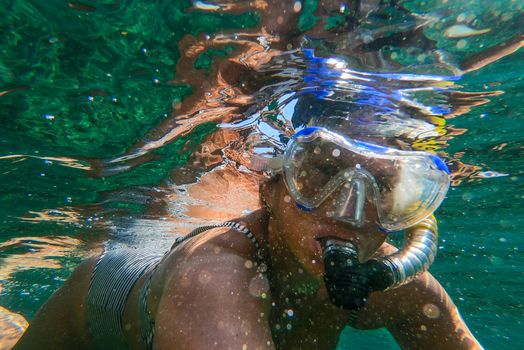
b) Assisted Snorkeling with Life Vests & Guides: This might seem counter-intuitive for non-swimmers, but with the right gear and guidance, even those uncomfortable in water can experience snorkeling.
How it works for non-swimmers: You'll be provided with a high-quality life vest that ensures buoyancy, a snorkel, and a mask. Crucially, you'll join a guided tour specifically designed for beginners or non-swimmers. Guides often use flotation devices (like a ring or a kickboard) that you can hold onto, and they can even gently pull you along, allowing you to simply float and observe the reef below. Shallow, calm lagoons are ideal for this.
My Experience: My friend, a complete non-swimmer, was convinced to try this in a very calm, shallow lagoon in the Maldives. With a life vest practically keeping her head out of the water and holding onto a guide's flotation ring, she saw her first clownfish. The sheer joy on her face was priceless. It proved that with the right support, even basic floating can open up the snorkeling world.
Where to experience it:
- Calm Lagoons: Maldives, Caribbean (e.g., Bonaire's shallow reefs), Mexico (protected cenotes or calm bays).
- Guided Tours: Many resorts and local tour operators offer "beginner snorkeling" or "non-swimmer snorkeling" packages. Always ask if they provide flotation aids and direct guide assistance.
Tripsora Tip: For underwater scooters, ensure you're comfortable with the idea of being underwater, even if your head is dry. For assisted snorkeling, communicate your comfort level clearly to your guide – they are there to help!
---
6. Your Essential Non-Swimmer's Underwater Toolkit: Practical Tips
Now that you're buzzing with ideas, let's equip you with the practical advice you'll need to make these adventures seamless and unforgettable.
- Communicate Your Comfort Level: Always, always inform your tour operator or guide that you are a non-swimmer or not confident in the water. They are professionals and can offer extra reassurance, assistance, or recommend the most suitable experience.
- Safety First, Always: Choose reputable operators with strong safety records. Look for certifications, good reviews, and clear safety briefings. Don't hesitate to ask questions about emergency procedures.
- Embrace Buoyancy Aids: For any activity that involves getting into the water (like helmet diving or assisted snorkeling), don't be shy about using life vests, flotation devices, or even pool noodles. They are your friends!
- Stay Calm and Breathe: This is crucial, especially for helmet diving or scooter experiences. Trust the equipment. Focus on your breathing (it's natural!) and enjoy the incredible views.
- Waterproof Your Tech: You'll want to capture these moments! Invest in a good quality waterproof phone case or a dedicated underwater camera (GoPro is a popular choice). Many operators also offer professional photo/video packages.
- Sun Protection is Key: Even underwater, you're exposed to UV rays, especially on the surface vessel or during transfers. Use reef-safe sunscreen, wear a wide-brimmed hat, and consider rash guards.
- Motion Sickness Prep: If you're prone to seasickness, take preventative measures (medication, ginger chews) before boarding boats, submarines, or semi-submersibles.
- Book in Advance: Popular tours, especially in high season, can sell out quickly. Secure your spot to avoid disappointment.
- Ask About Age/Health Restrictions: While most non-swimmer activities are very accessible, always double-check if there are any specific age limits or health conditions that might preclude participation.
---
Dive In, No Skills Required!
So there you have it – a world of underwater wonder, completely accessible to you, the non-swimmer. From walking among the fish on the seabed to dining under the waves, or exploring shipwrecks in a comfortable submarine, your dreams of marine exploration are no longer just dreams.
My journey from a wistful beachgoer to an enthusiastic underwater explorer proves that the only barrier to adventure is often our own perception. The ocean is vast, mysterious, and incredibly beautiful, and it welcomes everyone. So, shed those inhibitions, pack your bags, and get ready to discover a side of our planet that will truly take your breath away – all without ever having to kick a single stroke.
Which of these incredible underwater adventures will you tick off your bucket list first? Share your plans in the comments below, and don't forget to tag #TripsoraAdventures in your incredible underwater photos! The deep blue is calling – answer it!
---