The moment I first dipped my head beneath the surface of the Indian Ocean, off the coast of the Maldives, my world changed. A kaleidoscope of neon fish darted through technicolor coral gardens, a majestic manta ray glided effortlessly past, and the sun dappled through the crystal-clear water, illuminating a world so serene, so utterly breathtaking, I felt a pang of regret. "Why didn't I bring a proper camera?" I lamented, my phone safely tucked away on the boat. All I had were blurry mental images, destined to fade.
That day sparked a mission: to demystify underwater photography. I wanted to capture those fleeting moments, to share the ocean's silent poetry, without needing a professional diver's budget or a marine biologist's expertise. And guess what? It’s not only possible but easier and more affordable than ever, thanks to some incredible trending gear!
Forget the bulky, complicated setups of old. Today, beginners can dive into underwater photography with surprisingly powerful, user-friendly, and often pocket-sized equipment. Whether you're a casual snorkeler, an avid free diver, or a newly certified scuba enthusiast, there’s a perfect piece of kit out there for you. Let's plunge into the hottest trends making waves right now!
1. The Action Camera Revolution: GoPro & DJI Osmo Action Reign Supreme
If you've ever dreamt of capturing those epic dive or snorkel moments without breaking the bank or wrestling with complex settings, action cameras are your underwater best friend. They are, hands down, the most popular entry point for beginners, and for good reason.
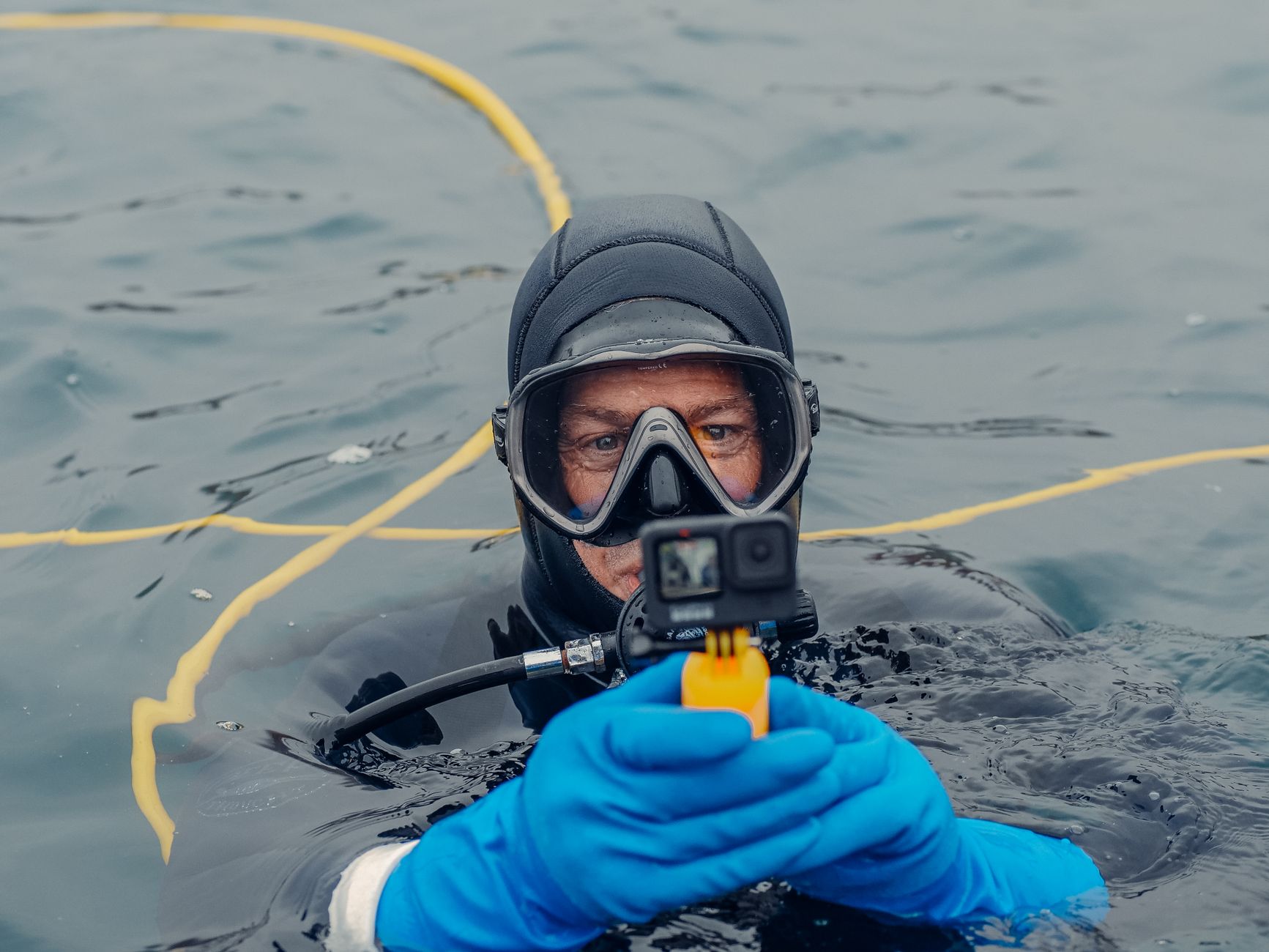
Why They're Trending: Action cameras like the GoPro Hero 11/12 Black and the DJI Osmo Action 4 are built tough. They're typically waterproof out of the box (often up to 10-18 meters/33-60 feet), incredibly compact, and shoot stunning 4K video and high-resolution stills with minimal fuss. Their wide-angle lenses are perfect for capturing expansive reefscapes or getting close to larger marine life.
My Personal Take: My first truly shareable underwater shots came from a GoPro Hero 7 Black during a trip to the Philippines. I remember snorkeling in Coron, Palawan, amidst a school of iridescent sardines, and just pointing and shooting. The footage, though simple, was vibrant and captured the sheer scale of the swarm. It was exhilarating! The newer models are even better, with improved low-light performance and better image stabilization.
Essential Accessories (and why you need them):
- Dedicated Waterproof Housing: While cameras like the GoPro Hero 12 are waterproof to 10m/33ft, a dedicated dive housing (like the GoPro Protective Housing + Waterproof Case) extends that depth significantly (often to 60m/196ft). This is crucial for scuba divers and offers an extra layer of protection against bumps and scratches. Price: $50-$100.
- Red/Magenta Filters: Water absorbs red light, making everything look blue or green the deeper you go. A red filter (for blue water) or magenta filter (for green water) clips onto your housing and helps restore natural colors, making your photos pop without extensive post-editing. Price: $20-$50.
- Dome Port: Want those iconic "half-and-half" shots where you see above and below the water simultaneously? A dome port optically separates the water, allowing for stunning split-level photos. They also make wide-angle shots underwater look even better by reducing distortion. Price: $60-$150.
- Floating Hand Grip/Pole: A non-negotiable! I learned this the hard way after nearly losing my GoPro to a strong current in a cenote in Mexico. A brightly colored floating grip ensures your camera doesn't sink like a stone if you drop it. It also provides a stable hold and keeps your fingers out of the shot. Price: $15-$40.
Trending Models & Prices (approximate):
- GoPro Hero 12 Black: Camera only $350-$400. Bundle with accessories $450-$550.
- DJI Osmo Action 4: Camera only $300-$350. Bundle $400-$500.
2. Smartphone Underwater Photography: Surprisingly Powerful!
Who would have thought your everyday smartphone could capture stunning underwater visuals? The advancements in smartphone camera technology have been phenomenal, and with the right accessories, your iPhone or Android can become a surprisingly capable underwater tool. This trend is exploding because almost everyone already owns the "camera."
Why They're Trending: Modern smartphones boast incredible image processing, decent low-light capabilities, and high-resolution video. The convenience of using a device you're already familiar with, coupled with increasingly sophisticated and affordable waterproof cases, makes this a huge win for beginners.
My Personal Take: Last year, on a family trip to Maui, I decided to test out a dedicated smartphone housing for my iPhone 14 Pro Max. Snorkeling in Black Rock, I was able to capture surprisingly clear photos of parrotfish and even a small reef shark, all while easily sharing them to Instagram directly from the boat. The ease of use was a game-changer for casual snorkeling.
Key Gear for Smartphone Underwater Photography:
- Basic Waterproof Pouches: These are the cheapest entry point ($10-$30) and are fine for shallow snorkeling (up to 3-5 meters). However, they can be fiddly to use, offer limited control, and the plastic can sometimes affect image clarity. I'd recommend these for very casual use, but be wary of depth limits.
- Dedicated Waterproof Cases/Housings: This is where the magic happens. Brands like SeaLife (SportDiver), Nauticam (NA-A7RV, etc. - though Nauticam is more pro-level, they do have some phone options), and AxisGo offer robust, dive-rated housings (often up to 40-60 meters/130-200 feet) that allow full access to your phone's camera controls via Bluetooth. They often integrate with apps that correct color and offer manual settings. Price: $300-$500 for a quality housing.
- Smartphone Tray & Lights: To truly elevate your smartphone shots, pairing your housing with a tray and an external video light (like the SeaLife Sea Dragon Mini 1300S) makes a massive difference, especially for color and clarity. Price: $100-$300 for a light.
Tips for Using Your Smartphone Underwater:
- Test, Test, Test: Always test your housing in a sink or shallow water without your phone first.
- Avoid Zoom: Digital zoom will degrade image quality. Get closer to your subject instead.
- Burst Mode: Marine life moves fast! Use burst mode to increase your chances of getting a sharp shot.
- Clean Lens: Ensure both your phone's lens and the housing's port are spotless before sealing.
Trending Models & Prices (approximate):
- SeaLife SportDiver Housing: $350. (Compatible with most modern iPhones/Androids)
- AxisGo Housing: $200-$300. (iPhone specific)
3. Compact Cameras with Underwater Housings: Stepping Up Your Game
If you're ready to move beyond action cameras and smartphones but aren't quite ready for the complexity and cost of a full DSLR or mirrorless setup, compact cameras with dedicated underwater housings are your sweet spot. They offer a significant leap in image quality and control.
Why They're Trending: These cameras strike a fantastic balance between portability, image quality, and manual control. They typically have larger sensors than action cameras, allowing for better low-light performance and more dynamic range. When paired with a custom housing, they become formidable underwater tools.
My Personal Take: After a few years with action cameras, I upgraded to an Olympus TG-6 with its dedicated housing and a small video light. The difference was astonishing. In the vibrant waters of Raja Ampat, Indonesia, I was able to capture the intricate details of pygmy seahorses and the subtle textures of soft corals with a clarity I hadn't achieved before. The TG-6's microscope mode underwater is just chef's kiss for macro photography!
Popular Models & Why They're Great:
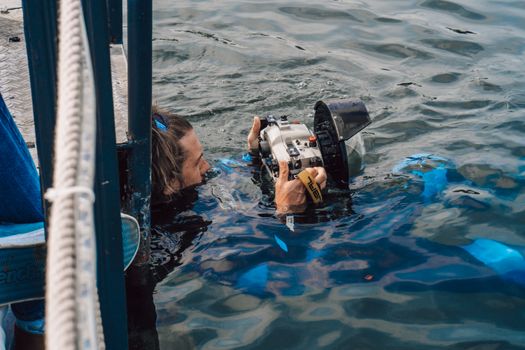
- Olympus Tough TG Series (TG-6/TG-7): These are the undisputed kings of beginner/intermediate underwater compacts. They are waterproof out of the box (to 15m/50ft), shockproof, crushproof, and freezeproof. The real magic happens with their dedicated underwater modes, excellent macro capabilities (Microscope mode is insane!), and robust PT-059/058 housing which extends depth to 45m/147ft. Price: Camera $450-$550, Housing $350-$450.
- Canon G7X Mark III / Sony RX100 Series (VII/VA): These are premium compacts known for their larger 1-inch sensors, excellent image quality, and manual controls. When paired with high-quality housings (from brands like Fantasea, Ikelite, or Nauticam), they can produce near-professional results. They offer more flexibility for creative control than the TG series but come at a higher price point. Price: Camera $700-$1000, Housing $400-$700.
Essential Accessories:
- Dedicated Housing: Absolutely essential for dive depths beyond the camera's native waterproof rating.
- External Strobe/Video Light: While these cameras handle natural light better, an external light is crucial for bringing back true colors and illuminating subjects in deeper or darker conditions. More on this next!
- Tray and Arms: Provides a stable platform for your camera and allows you to mount lights or strobes. Price: $100-$300.
4. Lighting the Deep: Strobes & Video Lights for Beginners
This is where many beginners hesitate, thinking lighting is for pros. But trust me, once you add an external light source, your underwater photos will transform from "nice" to "wow!" Natural light diminishes quickly underwater, making everything look dull and monochromatic.
Why They're Trending: As camera gear becomes more accessible, so do beginner-friendly lighting solutions. Modern strobes and video lights are more compact, powerful, and easier to use than ever before. They are the secret sauce to vibrant, true-to-life underwater colors.
My Personal Take: My first attempt at using a basic video light was with a small SeaLife Sea Dragon Mini 1300S attached to my Olympus TG-6 housing. Diving in the vibrant reefs of Cozumel, Mexico, the difference was immediate. The anemones glowed with their true purples and oranges, and the fish regained their brilliant blues and yellows. It felt like I had unlocked a new level of photography.
Strobes vs. Video Lights for Beginners:
- Video Lights (Continuous Light):
- Pros: "What you see is what you get" – you can constantly see how your light is affecting the scene, making composition easier. Great for video.
- Cons: Less powerful than strobes, can scare off shy marine life, and drain battery faster.
- Beginner-Friendly Options: SeaLife Sea Dragon lights (e.g., 2000F, 2500F), Kraken Hydra lights (e.g., 1500, 2500). These offer good brightness, wide beam angles, and are relatively easy to mount. Price: $250-$500 per light.
- Strobes (Flash):
- Pros: Much more powerful, "freeze" motion, bring out incredible colors and sharpness, don't scare marine life as much.
- Cons: Can be trickier to master (requires understanding flash sync, positioning, etc.), not suitable for video.
- Beginner-Friendly Options: Backscatter Mini Flash 2 (MF-2), SeaLife Sea Dragon Flash (SL963). These are compact and designed to be user-friendly for compact camera systems, often offering easy auto modes. Price: $400-$600 per strobe.
Tips for Beginner Lighting:
- Start with One Light: Don't overwhelm yourself. A single video light or strobe positioned correctly can make a huge difference.
- Get Close: The closer your light is to your subject, the more effective it will be.
- Angle Your Light: Avoid direct frontal lighting, which can cause backscatter (those annoying white dots from particles in the water). Angle your light slightly from the side or above.
5. Beyond the Camera: Essential Accessories & Techniques
Having the right camera gear is only half the battle. A few crucial accessories and fundamental techniques will dramatically improve your underwater photography journey.
Must-Have Accessories:
- Anti-Fog Inserts: Absolutely critical. Nothing is more frustrating than a perfectly composed shot ruined by fogging inside your housing. These small sachets absorb moisture. Price: $10 for a pack.
- Lens Cleaning Kit: A microfiber cloth and air blower are essential for keeping your camera lens and housing port spotless before every dive. Even a tiny smudge can ruin a photo. Price: $10-$20.
- Spare Batteries & Memory Cards: Always, always have spares. The last thing you want is to miss a whale shark encounter because your battery died or your card is full.
- Hard Case (e.g., Pelican/Nanuk): Protect your precious gear during travel. These cases are waterproof, crushproof, and often come with custom foam inserts. Price: $100-$300.
Fundamental Techniques for Beginners:
- Get Close, Then Get Closer: Water absorbs light and clarity. The closer you are to your subject, the less water column is between you and your subject, resulting in sharper, more colorful images. This is the golden rule of underwater photography!
- Shoot Upwards: Whenever possible, try to shoot slightly upwards, using the sunlit surface as a backdrop. This creates beautiful silhouettes and highlights marine life against a bright, clear background, reducing backscatter.
- Buoyancy Control is Key: This isn't just for safety; it's vital for good photography. Being able to hover steadily without touching the reef or stirring up sand allows you to compose your shots precisely and avoid damaging the environment. Practice, practice, practice!
- Understand Your Camera's Limitations: Know your camera's native waterproof depth, battery life, and optimal settings for underwater use. Don't push its limits until you're confident.
- Patience is a Virtue: Marine life operates on its own schedule. Be patient, observe, and wait for that perfect moment. Sometimes the best shots come from simply waiting quietly.
6. Maintenance & Care: Keep Your Gear Happy (and Dry!)
Your underwater gear is an investment, and proper care is paramount to its longevity and your photographic success.
My Personal Take: I learned the hard way about O-ring care. After a dive in the Cayman Islands, I rushed rinsing my housing and missed a tiny grain of sand on the O-ring. The result? A very minor leak that, thankfully, I caught quickly. Ever since, my post-dive routine is meticulous.
Your Post-Dive Ritual:
- Rinse Immediately: As soon as you surface, rinse your camera and housing thoroughly in fresh water (preferably warm, not hot). Pay extra attention to buttons, ports, and moving parts to flush out salt and sand.
- Soak (If Possible): If you have time, let your housing soak in a basin of fresh water for 15-30 minutes, operating the buttons periodically, to ensure all salt is removed.
- Dry Thoroughly: Use a clean, lint-free cloth to dry the outside of your housing.
- Inspect O-Rings: Before opening the housing, ensure it's completely dry. Then, carefully open it and inspect the O-ring (the rubber seal). Look for any hair, sand, nicks, or cracks. Clean it gently with a lint-free cloth and apply a tiny, thin layer of silicone grease if recommended by the manufacturer.
- Store Correctly: Store your housing with the latch open (to release pressure on the O-ring) in a cool, dry place away from direct sunlight.
Conclusion: Dive In and Capture the Magic!
The underwater world is a realm of unparalleled beauty, wonder, and vibrant life. Thanks to these trending, beginner-friendly gear options, capturing its magic is no longer an exclusive club for pros. From the rugged simplicity of action cameras to the surprising power of your smartphone in a dedicated housing, and the enhanced capabilities of compact cameras with external lighting, there's a perfect starting point for everyone.
My journey from blurry memories to stunning snapshots has been incredibly rewarding, taking me to some of the most pristine reefs on Earth – from the vibrant soft corals of Fiji to the exhilarating shark dives in Guadalupe. It’s a journey that continually inspires me to explore more and share the ocean's story.
So, what are you waiting for? Pick a setup that excites you, learn the basics, practice your buoyancy, and dive in! The ocean is calling, and it's ready for its close-up.
What's your favorite underwater creature to photograph? Share your tips and dream destinations in the comments below! And don't forget to tag #TripsoraUnderwater on Instagram with your incredible shots – we can't wait to see them!
---