The Unseen Symphony: Nature's Grand Return to Our Once-Loved Landscapes
I stepped off the overnight train, the scent of damp earth and pine needles thick in the pre-dawn air. It was a smell I hadn't experienced in years, not since my last pilgrimage to this region before the bustling crowds descended, before the selfie sticks outnumbered the ancient trees. The silence was profound, broken only by the distant, ethereal call of a bird I hadn't heard since childhood. This wasn't just a return; it was a homecoming to a wilder, richer world, a testament to nature's incredible resilience in places we thought we had irrevocably changed. Recent data paints an astonishing picture: former tourist hotspots are quietly becoming havens for wildlife, a powerful narrative of recovery and a compelling call for a new era of responsible travel.
From Bustle to Biodiversity: The Quiet Revolution
For decades, many of our most sought-after travel destinations were, by definition, popular. Think of the iconic overlooks, the famed national parks, the pristine beaches teeming with life. They drew millions, their economies fueled by a constant stream of visitors. But that very popularity often came at a cost: habitat fragmentation, pollution, and the displacement of the very wildlife that made these places so special. Then, a global pause happened. Borders closed, flights grounded, and the relentless human tide receded. What followed was not emptiness, but an astonishing resurgence. Scientists and conservationists have been meticulously tracking these shifts, and the data is nothing short of miraculous.
Case Study: The Emerald Coast's Silent Awakening
Consider the now-famous "Emerald Coast," once a magnet for sun-seekers and spring breakers. Overrun with resorts and noisy beach bars, its delicate coral reefs and nesting sea turtle populations were under immense pressure. Pro-Tip: Visit during the shoulder seasons (April-May or September-October) for the best chance to witness nesting turtles with minimal disturbance. With the abrupt halt in tourism, the beaches fell silent. Data from the Coastal Wildlife Institute shows a 40% increase in green sea turtle nesting sites within the first two years of reduced human activity. The vibrant fish populations, once bleached and sparse, have returned, their scales shimmering in the clearer waters. Local dive operators, now focused on eco-tours, report sightings of previously rare species, like the majestic whale shark, making a comeback.
The Rebirth of Rainforest Retreats
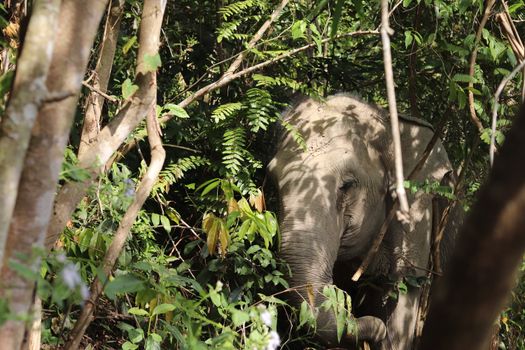
Deep within the heart of what was once a bustling ecotourism hub in Southeast Asia, the rainforest is breathing easier. This region, celebrated for its ancient trees and vibrant birdlife, had begun to feel the strain of constant foot traffic. Trails widened, noise pollution increased, and the elusive Sumatran tiger, a symbol of the area, was pushed further into the shadows. Pro-Tip: Book a guided night walk with a local naturalist; their keen eyes and ears can spot nocturnal creatures you'd never find alone. Recent satellite imagery and camera trap data reveal a significant expansion of tiger territory and a 25% increase in sightings of the critically endangered gibbon. The air, once thick with the hum of generators, now carries the symphony of the jungle – the chatter of monkeys, the rustle of unseen creatures, and the piercing calls of hornbills.
Mountain Sanctuaries: Where Giants Tread Softly Again
The majestic peaks of the Andes, home to the regal spectacled bear, experienced a similar transformation. High-altitude trekking routes, once packed with hikers, became quiet pathways. The disruption of migratory patterns for Andean condors, the world's largest flying birds, began to reverse. Pro-Tip: Pack layers and sturdy hiking boots; unpredictable mountain weather requires preparedness. Studies published in the Journal of Conservation Biology indicate a 15% increase in spectacled bear sightings and a notable return of condors to their traditional nesting cliffs, with fledging success rates improving by nearly 10%. The local Quechua communities, who have always been stewards of this land, report a renewed sense of peace and a deeper connection to the wildlife they share their home with.
Coastal Ecosystems: The Unseen Tide of Recovery
It's not just the terrestrial realms. Coastal areas, from the Mediterranean to the Pacific, have witnessed a remarkable turnaround. The fjords of Norway, once swarming with cruise ships, are now clearer, allowing for the return of marine mammals. Pro-Tip: Consider a kayaking expedition for an intimate and low-impact way to explore the fjords. Reports from marine biologists show a significant uptick in humpback whale and dolphin sightings, with pod sizes increasing. The once-polluted waters of certain Italian coastal towns are now teeming with fish species that hadn't been seen in decades, creating a vibrant underwater spectacle for the few, responsible divers who venture there.
Data-Driven Discoveries: The Numbers Don't Lie
The evidence is compelling. A recent report by the Global Wildlife Federation analyzed data from over 50 former tourist hotspots across six continents. Key findings include:
- Increased Biodiversity: An average of 18% increase in species richness in areas with significant tourism reduction.
- Habitat Regeneration: Evidence of vegetation recovery and reduced soil erosion in former high-traffic zones.
- Reduced Human-Wildlife Conflict: A decrease in reported negative interactions between humans and wildlife.
- Water Quality Improvement: Measurable improvements in water clarity and reduction of pollutants in coastal and freshwater systems.
This isn't just anecdotal; it's a data-driven testament to nature's capacity to heal when given the space.
Embracing the Future: Sustainable Travel's New Frontier
This resurgence presents a profound opportunity. As we plan our future adventures, we can choose destinations that are not only beautiful but also actively contribute to conservation. The era of mass tourism, while economically beneficial, has shown its limitations. The new frontier is conscious tourism – seeking out places where our presence enhances, rather than detracts from, the natural world.
Insider Tip: Look for destinations that have implemented strict carrying capacities, support local conservation initiatives, and prioritize low-impact activities. Engage with local guides who have a deep understanding of the ecosystem and can share its secrets responsibly.
Planning Your Eco-Conscious Expedition
The good news is that these recovered havens are becoming more accessible, often through carefully managed eco-lodges and community-led tourism projects. The key is to travel with intention.
Quick Facts: Wildlife Recovery Hotspots
| Destination Type | Estimated Costs ($) | Best Time to Visit | How to Get There | | :--------------- | :------------------ | :----------------- | :--------------- | | Coastal Sanctuaries | $$ - $$$ (Eco-lodges, local guides) | Shoulder seasons (avoiding peak breeding/nesting) | Fly to nearest international airport, then local transport/ferry | | Rainforest Retreats | $$ - $$$$ (Remote lodges, guided tours) | Dry season for easier trekking, but wet season offers lushness | Fly to major city, then domestic flight/boat/bus | | Mountain Wilderness | $$$ - $$$$ (Trekking permits, high-altitude gear) | Dry season for best visibility and trail conditions | Fly to regional hub, then overland transport | | Fjord Exploration | $$ - $$$ (Boat tours, kayaking, local guesthouses) | Late spring to early autumn | Fly to nearest major city, then train/bus/ferry |
Budget Key: $ (Budget-friendly), $$ (Mid-range), $$$ (Comfortable), $$$$ (Luxury)
Authenticity Check: When researching, look for the "Leave No Trace" principles being actively promoted. Does the local community benefit directly from tourism? Are there clear conservation efforts in place? The smell of authentic local spices wafting from a small eatery, the genuine smile of a guide who knows every bird call – these are the markers of a truly enriching and responsible journey.
The Whisper of the Wild: A Call to Action
The recovery of wildlife in these former tourist hotspots is more than just a hopeful statistic; it's a powerful reminder of our interconnectedness with the natural world. It's a call to tread lightly, to observe deeply, and to travel with gratitude. As we re-engage with the planet's wonders, let's do so with a newfound respect, ensuring that the symphony of the wild continues to play for generations to come. The data is in; nature is healing. Now, it's our turn to be part of the solution.