The Hook: The Death of the Doorman and the Birth of the Hub
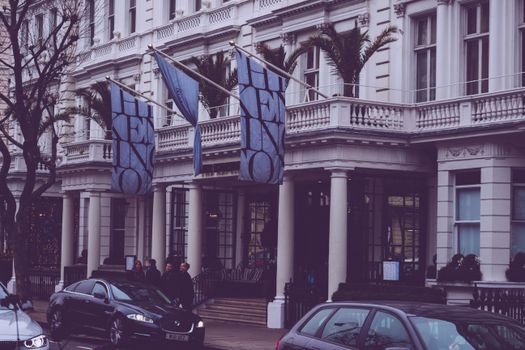
I stepped off the Overground at Shoreditch High Street, the damp London air smelling of rain-slicked asphalt and toasted sourdough. Usually, a hotel entrance feels like a barrier—a stoic doorman, a sterile lobby, and the immediate sense that you’ve left the "real" city behind. But as I pushed through the heavy glass doors of The Hoxton, I wasn't met with a silent vacuum.
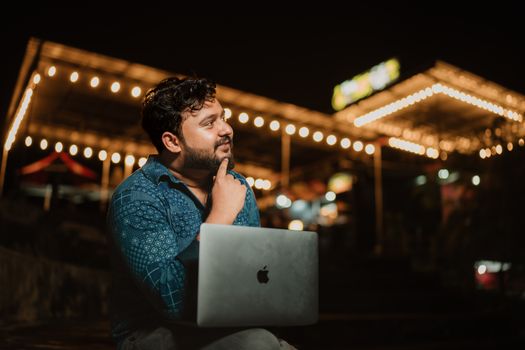
Instead, I was hit by the low hum of fifty MacBooks clacking in unison, the hiss of a La Marzocco steam wand, and the scent of Le Labo Santal 33 mingling with artisanal gin. There were no "guests" here—only people. Half of them lived three blocks away. This wasn't a lobby; it was the neighborhood’s living room.
For decades, hotels were islands. They were designed to insulate travelers from the "chaos" of the local environment. But then, the world shifted. The most savvy hoteliers realized that the modern traveler doesn't want a sanitized version of a city; they want the city itself. By pivoting to serve locals first, these hotels didn't just survive the travel slumps—they became the most desirable destinations on the planet.
1. The "Open House" Revolution: How The Hoxton Changed the Game
The Hoxton wasn't the first to think of this, but they were the first to perfect the "Open House" model. While traditional hotels charge for every breath you take, The Hoxton invited the neighborhood in.
They replaced the stuffy concierge desk with a massive, communal bar and co-working tables. They realized that if the locals think a place is cool, the travelers will follow. By hosting local "Hoxtown" events—everything from rooftop yoga with neighborhood instructors to "meet the maker" pop-ups—they created a feedback loop of authenticity.
The Pivot: They stopped prioritizing room service and started prioritizing the lobby vibe. Why it’s better for you: You aren't surrounded by confused tourists holding maps. You’re sitting next to a freelance graphic designer or a local fashion editor. You get the "real" pulse of the city just by ordering a flat white.
> Pro-Tip: Don't bother with the overpriced breakfast buffet. Head to the lobby bar at 8:00 AM, grab a pastry from the local bakery partner, and snag a seat near the fireplace. It’s the best people-watching spot in East London.
2. Ace Hotel Kyoto: A Masterclass in Cultural Synthesis
When Ace Hotel landed in Kyoto, the travel world held its breath. How would a gritty, Portland-born brand translate to the refined, traditional atmosphere of Japan’s cultural capital?
The answer was a radical pivot toward the local artisan community. Instead of importing Western luxury, they collaborated with Kengo Kuma (the architect behind Tokyo’s Olympic Stadium) and local craftspeople. The hotel occupies a portion of the old Kyoto Central Telephone Company, a building locals have cherished for generations.
The Pivot: The hotel became a gallery for Kyoto’s "Shokunin" (craftsmen). From the custom textiles to the vinyl collection in the rooms, everything screams "Kyoto Today," not "Kyoto 200 Years Ago." Why it’s better for you: It’s a gateway to the city’s underground art scene. The lobby often hosts local DJs playing rare Japanese city-pop, drawing in the city's creative youth.
> Pro-Tip: The "hidden" entrance to the Stumptown Coffee bar is a local favorite. Avoid the main street entrance and use the side door through the Shinpuhkan mall to feel like a true regular.
3. Eaton Workshop (DC): The Hotel as a Town Square
In a city as transient as Washington D.C., hotels are usually places where lobbyists hide. Eaton Workshop flipped the script. They didn't just pivot to locals; they pivoted to activists.
Eaton is a hybrid: a hotel, a co-working space, a radio station, and a cinema. They focused on the D.C. residents who are actually trying to change the world. By offering memberships to local non-profits and artists, they ensured that the person sitting next to you at the bar is likely drafting a policy paper or editing a documentary.
The Pivot: They traded "neutrality" for "purpose." By leaning into the local political and social fabric, they created a soul that most D.C. hotels lack. Why it’s better for you: You get access to an incredible calendar of local films, talks, and radio broadcasts that you won't find on any "Top 10 Things to Do" list.
> Pro-Tip: Check the schedule for the "Eaton Radio" booth in the lobby. You can often watch live interviews with local musicians and activists while sipping a craft cocktail.
4. The Standard (London): From Brutalist Office to Nightlife Mecca
The Standard London took over the old Camden Town Hall Annex—a Brutalist masterpiece that locals either loved or loathed. Instead of turning it into a quiet retreat, they leaned into the grit of King’s Cross.
They built a "Library Lounge" that isn't just for show; it’s curated by a local librarian and features a sound studio. By turning their top-floor restaurant, Decimo, into a destination for London’s late-night crowd, they made the hotel the heartbeat of the neighborhood's nightlife.
The Pivot: They focused on "Programming." The hotel is essentially a 24/7 event space for Londoners. Why it’s better for you: You don't have to leave the building to find the best party in London. The red elevator that climbs the outside of the building is a beacon for the city’s "it" crowd.
> Pro-Tip: The Library Lounge has a "no-laptop" policy after 6:00 PM. It’s the best place to meet locals who are actually off the clock and looking to socialize.
5. Wythe Hotel (Brooklyn): The Original Neighborhood Anchor
Before Williamsburg was "Williamsburg," there was the Wythe. Housed in a 1901 factory, the Wythe was one of the first hotels to realize that a hotel’s restaurant should be for the neighborhood, not the guests.
Their restaurant, Le Crocodile, is constantly packed with Brooklynites celebrating birthdays and anniversaries. They don't offer "tourist menus." They offer high-end, neighborhood-focused dining that just happens to have rooms upstairs.
The Pivot: They treated the rooms as an extension of the neighborhood's industrial aesthetic, using local wallpapers and custom furniture. Why it’s better for you: You feel like you’ve moved into a very cool friend’s loft. The "insider" feeling is palpable because the staff are mostly locals who have lived in the area for a decade.
> Pro-Tip: Skip the crowded rooftop bar at sunset. Instead, go for a mid-afternoon drink when the locals are lounging with books. The view of the Manhattan skyline is just as good, without the three-deep queue at the bar.
The Budget & Logistics: Fast Facts for the Savvy Traveler
| Hotel | Location | Est. Cost (Night) | The "Local" Draw | Best Time to Visit | | :--- | :--- | :--- | :--- | :--- | | The Hoxton | Global (London/NYC/Paris) | $200 - $350 | Co-working & DJ Sets | Weekdays (for the buzz) | | Ace Hotel | Kyoto, Japan | $250 - $450 | Artisan Craft & Vinyl | Spring (Sakura Season) | | Eaton Workshop | Washington D.C. | $180 - $300 | Activism & Indie Cinema | During Local Festivals | | The Standard | London, UK | $280 - $500 | High-Octane Nightlife | Thursday - Saturday | | Wythe Hotel | Brooklyn, NY | $350 - $600 | Culinary Excellence | Late Autumn |
How to get there:
- The Hoxton (Shoreditch): Take the Overground to Shoreditch High Street; it’s a 2-minute walk.
- Ace Kyoto: Directly connected to the Karasuma Oike Subway Station.
- Eaton DC: A 5-minute walk from the McPherson Square Metro.
Why This Matters: The "Vibe" ROI
When a hotel pivots to locals, the "Return on Investment" for you, the traveler, isn't just a better bed. It’s the Vibe ROI. You are paying for access to a pre-curated social circle. You are paying to skip the line of "tourist" experiences and jump straight into the heart of the city’s current culture.
These hotels have realized that the most valuable thing they can offer isn't a mint on your pillow—it's the person sitting at the bar next to you.
---