The scent of incense hung heavy in the humid air, mingling with the sweet fragrance of frangipani. I was in Ubud, Bali, watching a tiny woman in traditional sarong carefully place a small, intricately woven basket of flowers, rice, and a burning stick of incense on the ground outside her shop. This was a Canang Sari, a daily offering to the gods, a ritual I’d seen countless times since arriving. But this time, something shifted. Her movements were so deliberate, so full of quiet devotion, that it struck me: this wasn't just a tradition; it was a way of life, a constant acknowledgment of the sacred in the mundane.
Up until that moment, my travels had been about ticking off bucket-list items, chasing the perfect Instagram shot, and experiencing the "best" of everything. I thought I was an open-minded traveler, ready for anything. But Bali, with its gentle rhythm and profound spiritual undercurrents, began to chip away at my Western-centric worldview. It was here, and in many other corners of the world, that I discovered local customs aren't just quaint quirks for tourists to observe. They are the beating heart of a culture, the unspoken rules, the shared beliefs that shape lives. And sometimes, these customs, initially surprising or even uncomfortable, have the power to fundamentally change you – your perspective, your priorities, your very understanding of what it means to be human.
This isn't about grand, elaborate ceremonies (though those are incredible too!). This is about the subtle, everyday interactions, the unspoken rules, the small gestures that, once understood and embraced, can unlock a depth of connection you never thought possible. Join me as I recount some of the most surprising local customs that didn't just add to my travel stories, but forever altered the lens through which I see the world.
The Art of Shared Silence & Communal Connection: When Eating Becomes a Sacred Act
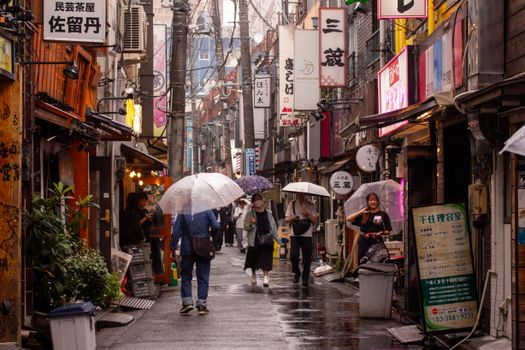
My first trip to Japan was a masterclass in controlled chaos and profound respect. I'd grown up in a culture where dining often meant boisterous conversation, clinking cutlery, and a general hum of activity. In a small ramen shop in Kyoto, however, the atmosphere was different. There was a quiet intensity, a focused appreciation for the food. People ate quickly, efficiently, and with minimal chatter. Slurping, far from being rude, was a sign of enjoyment. And tipping? An absolute no-go, potentially seen as an insult. My initial instinct was to fill the silence, to make eye contact, to offer a compliment to the chef. But I quickly learned to observe, to mimic, and to simply be. This wasn't about being anti-social; it was about honoring the craft, savoring the moment, and respecting the space of others. It taught me the beauty of quiet reverence, a skill I now cherish in my often-noisy life.
Contrast that with my experience in Ethiopia, where a meal is the ultimate expression of communal bond. In Addis Ababa, I found myself sitting on a low stool around a mesob (a woven basket table) with a family I'd just met, sharing a giant platter of injera (a spongy flatbread) topped with various stews. The custom of gursha involves feeding someone else a morsel of food with your hand, a gesture of friendship and honor. My host, a kind woman named Almaz, gently fed me my first gursha, her eyes twinkling. My Western germophobia immediately flared, but her warmth was so genuine, her gesture so pure, that I swallowed my hesitation along with the delicious food. It was an act of profound intimacy, trust, and acceptance. It broke down barriers faster than any language could. I learned that sometimes, the most hygienic way to eat is also the most isolating. And sometimes, a shared hand, a shared plate, builds a bridge to a human connection that lasts a lifetime.
Practical Tip: When dining abroad, observe local etiquette before diving in. Watch how people eat, whether they tip, how they interact with service staff. If invited to a local's home, always ask if you should bring a small gift (flowers, sweets, or a small item from your home country are usually safe bets). And if offered food, even if it looks unfamiliar, try a small bite with an open mind – you might just discover your new favorite dish and a deeper connection.
The Elasticity of Time: Learning to Live on 'Mañana' and 'African Time'
My Type-A personality, honed by years of strict schedules and deadlines, took a serious beating in Latin America. "Mañana," Spanish for "tomorrow," isn't just a word; it's a philosophy. In Cusco, Peru, after arranging a meeting with a local artisan for "9 AM sharp," I found myself waiting an hour, then two. My internal clock was screaming, my phone battery dwindling. Just as I was about to give up, he arrived, beaming, with no apology, simply a casual "Hola, amigo!"
The same phenomenon, often dubbed "African Time," greeted me in Tanzania. A safari guide promised to pick me up at 7 AM, but didn't arrive until 8:30 AM. Initially, I was frustrated, feeling my plans unravel. But as I spent more time there, I realized that for many cultures, time is a fluid concept, secondary to relationships, unexpected events, or simply the natural flow of the day. Schedules are suggestions, not unbreakable laws.
This shift in perspective was, for me, incredibly transformative. It forced me to slow down, to breathe, to relinquish control. I started carrying a good book everywhere. I learned to enjoy the waiting, observing the vibrant street life around me. I realized that my Western obsession with punctuality, while efficient, often meant missing out on spontaneous moments, deep conversations, or simply the joy of being present. I learned that sometimes, the best way to move forward is to simply wait. And that waiting isn't wasted time; it's an opportunity for observation and connection.
Practical Tip: If you're traveling to a region known for its relaxed approach to time, adjust your expectations. Build buffer time into your itinerary. Don't schedule back-to-back appointments. Embrace the unexpected delays as part of the cultural experience. Use the extra time to journal, people-watch, or strike up a conversation. A relaxed attitude will not only make your trip more enjoyable but also help you connect more authentically with locals.
The Nuance of Giving and Receiving: Beyond Simple Transactions
In Southeast Asia, particularly Thailand, the wai is a graceful greeting and gesture of respect, involving pressing palms together at chest level and bowing slightly. The height of the hands and the depth of the bow convey different levels of deference. As a foreigner, I often struggled to get it right, but the effort was always appreciated. It taught me that greetings are not just functional; they are an art form, a dance of social hierarchy and mutual respect.
In India, hospitality is paramount, and often overwhelming in its generosity. I recall being invited into a small home in Jaipur after asking for directions. Within minutes, I was seated, offered chai, and presented with a plate of homemade sweets. My instinct was to refuse, not wanting to impose or accept charity. But my host gently insisted, explaining that it was an honor for them to share. I learned that sometimes, refusing a gift or hospitality can be seen as an insult, rejecting the giver's generosity and status. It taught me the importance of gracious receiving, of allowing others the joy of giving. It was a profound lesson in humility and interconnectedness.
I also learned that gift-giving itself has complex rules. In some cultures, like in China, it's customary to refuse a gift several times before accepting, and to open it later in private. In others, like many indigenous communities, the exchange of gifts signifies a bond and should be reciprocated thoughtfully. These customs, initially confusing, taught me that every interaction, no matter how small, is imbued with cultural meaning.
Practical Tip: Always carry small, thoughtful gifts from your home country (e.g., postcards, pens, small trinkets) for unexpected invitations or gestures of kindness. Learn basic greetings and "thank yous" in the local language. When offered something, accept with grace and a genuine smile, even if it's just a cup of tea. If you must refuse, do so gently and with an explanation, expressing gratitude for the offer.
The Power of Rituals: Finding the Sacred in the Everyday
Returning to Bali, the Canang Sari offerings became a daily reminder of the Balinese Hindu belief in balance and gratitude. These small, beautiful offerings are placed everywhere – on sidewalks, shrines, even on scooter dashboards. Walking through Ubud, I had to be mindful not to step on them. One morning, I joined a local woman, Ibu Wayan, as she prepared her offerings. She explained each component: the flowers for beauty and different deities, the rice for sustenance, the incense for purification. It wasn't a chore; it was a meditation, a communion with the divine. It showed me how a culture can weave spirituality so deeply into the fabric of daily life that every moment holds potential for sacred connection. My own fast-paced, often secular life felt starkly contrasted, prompting me to seek out more moments of mindful gratitude.
Similarly, in Morocco, the elaborate mint tea ceremony is more than just serving a beverage; it’s an act of hospitality, a symbol of friendship, and a cornerstone of social interaction. Watching the precise pouring, the clinking of glasses, the shared laughter over multiple rounds of sweet tea, I felt a deep sense of belonging. The daily calls to prayer, echoing from minarets across Marrakech, also became a familiar and comforting rhythm. Even though I don't follow Islam, the sheer devotion and the pause it brought to the bustling city were deeply moving. These rituals, both grand and subtle, taught me that life can be enriched by infusing intention and meaning into seemingly ordinary acts.
Practical Tip: Seek out opportunities to witness or participate in local rituals, whether it's a daily offering, a tea ceremony, or a community celebration. Ask respectful questions about their meaning. Dress modestly and be mindful of your behavior, especially in sacred spaces. Always ask permission before taking photos, and sometimes, it's better to simply put the camera down and be fully present in the moment.
Beyond the Gaze: Respecting Personal Space & Modesty
Traveling through parts of the Middle East, particularly Oman and the UAE, I quickly learned the importance of modest dress and respectful interaction. As a woman, covering my shoulders and knees was not just a suggestion but a sign of respect for local customs and religious beliefs. Direct eye contact with men, especially those I didn’t know, was often avoided or kept brief. Public displays of affection are highly frowned upon. Initially, it felt restrictive, a stark contrast to the freedom of expression I was used to.
However, as I spent more time observing and understanding, I realized these customs weren't about oppression, but about maintaining dignity, privacy, and social harmony within their cultural framework. They fostered a different kind of respect, one that valued inner character over outward display. It made me reflect on my own culture's norms and how we define respect and personal space. It taught me that true freedom sometimes lies in adapting, in understanding that there are many valid ways to live a respectful and fulfilling life. It was a powerful lesson in empathy and cultural relativism.
In some indigenous communities, like those I visited in the Amazon, respecting personal space also extends to not pointing, not touching without permission, and speaking softly. Elders are revered, and their wisdom listened to with utmost attention. These interactions taught me to be more mindful of my own body language and how it might be perceived, and to prioritize listening over speaking.
Practical Tip: Research local dress codes and social etiquette before you arrive. Pack appropriate clothing. When in doubt, err on the side of modesty. Observe how locals interact and adjust your behavior accordingly. If you're unsure about a custom, politely ask a local guide or host. Remember, your comfort zone might be someone else's sacred space.
The Unspoken Language: Decoding Gestures and Body Language
My first few days in Bulgaria were a series of hilarious (and sometimes frustrating) misunderstandings. I'd ask a vendor if they had a particular item, and they'd nod their head, indicating "no." Then, I'd ask if they had another, and they'd shake their head, meaning "yes." My brain, wired for Western "yes is a nod, no is a shake," was in a constant state of confusion. It took conscious effort and many smiles to recalibrate. This seemingly small custom highlighted how deeply ingrained our non-verbal cues are and how easily they can lead to miscommunication.
Similarly, in Italy, I quickly learned that hands are as expressive as words. A simple conversation can involve a symphony of gestures – the "what do you want?" hand purse, the "perfect!" finger kiss, the "come here" downward flick. Trying to mimic them often made me look like a flailing tourist, but understanding their meaning helped me grasp the emotional subtext of conversations. It showed me that communication is far richer than just spoken words; it's a full-body experience, an art form in itself.
These experiences taught me the importance of being present and observant. They made me realize that even when a language barrier exists, there's a wealth of information in how people move, gesture, and interact. It’s a powerful lesson in non-verbal communication and the subtle artistry of human connection.
Practical Tip: Before traveling, do a quick search for common gestures and body language norms in your destination. Pay attention to how locals use their hands, make eye contact, and manage personal space. When in doubt, a friendly smile and a polite question can go a long way. And don't be afraid to laugh at yourself when you inevitably get it wrong – locals often appreciate the effort!
The Journey Within: How Customs Transform Us
Looking back, it wasn't the majestic temples or the breathtaking landscapes that left the most indelible mark on my soul. It was the quiet moments of cultural immersion: the shared gursha in Ethiopia, the patient wait in Peru, the respectful wai in Thailand, the daily Canang Sari in Bali, the modest dress in Oman, the head-nod confusion in Bulgaria. These local customs, initially surprising and sometimes challenging, stripped away my preconceived notions and opened me up to new ways of being.
They taught me patience, humility, and the profound beauty of diversity. They showed me that our way isn't the only way, and often, not even the "best" way. They taught me to listen more, observe more, and judge less. They deepened my empathy and expanded my understanding of what it means to be a global citizen. My life was changed forever because I stopped being a passive observer and started embracing the unexpected, allowing the rhythms of a new culture to flow through me.
So, the next time you travel, don't just see the sights. Dive into the customs. Ask questions. Be respectful. Be open. You might just find that the most profound souvenirs you bring home aren't trinkets, but a transformed heart and a radically expanded mind.
What local custom has surprised you the most? Share your stories in the comments below! Let's inspire each other to travel deeper and connect more authentically.