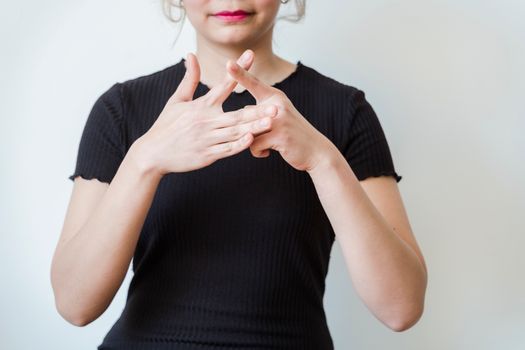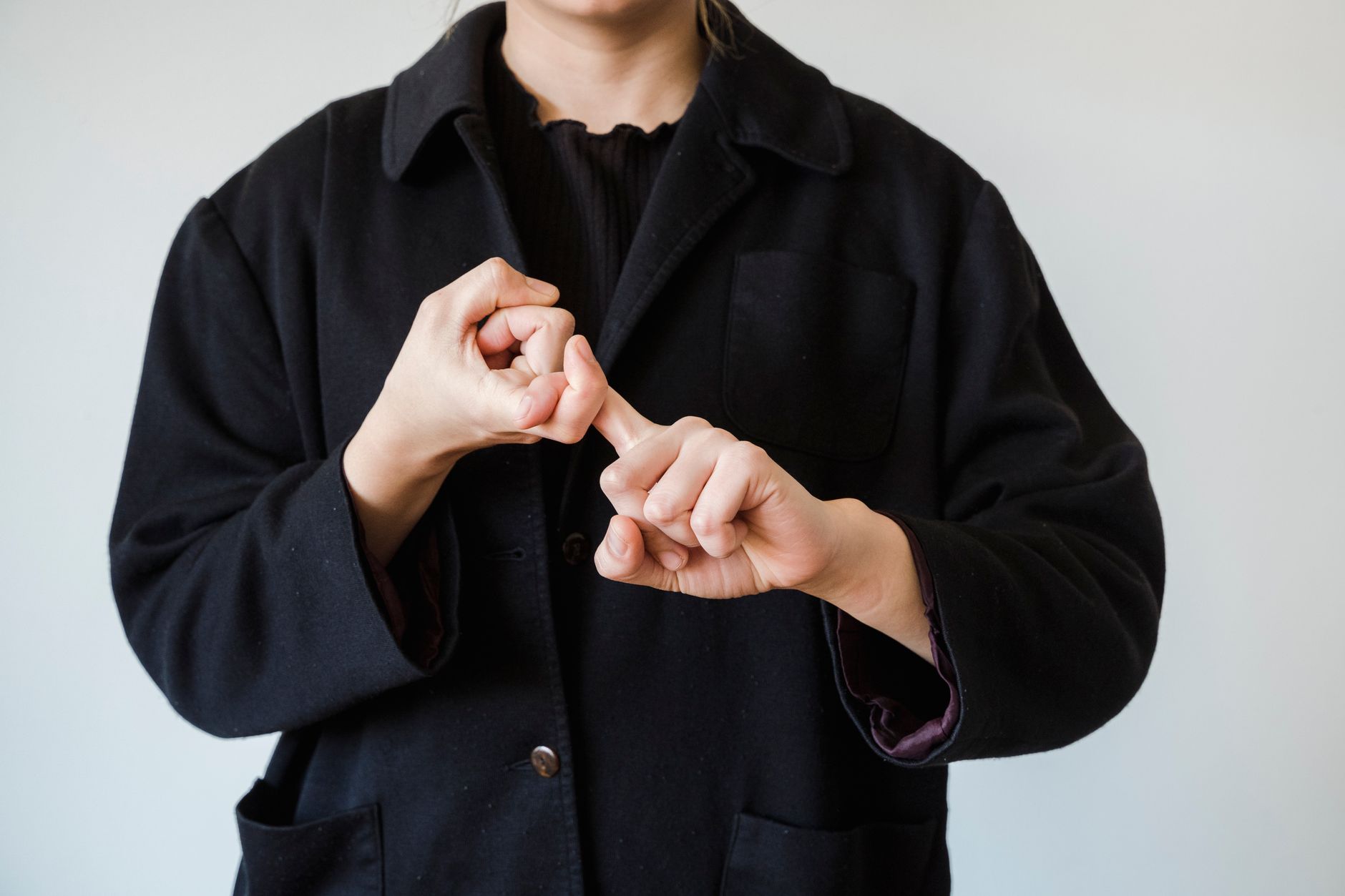
The Hook: A Symphony of Silence and Sight
I stepped off the train in London, the air thick with the scent of damp pavement and distant exhaust fumes, a familiar urban perfume. But as I navigated the bustling streets towards the British Museum, a different kind of anticipation hummed within me. It wasn't just the promise of ancient artifacts or the hushed reverence of a grand hall; it was the thrill of experiencing history and art through a lens I’d only recently discovered – the vibrant, expressive world of sign language. For years, I’d marveled at masterpieces through written descriptions or fleeting audio snippets. This time, it was different. This time, I was ready for a conversation, a dialogue painted not in words, but in the graceful dance of hands and the captivating intensity of facial expressions.
Unlocking Art’s Visual Dialogue: The Rise of Sign Language Tours
The accessibility revolution is finally reaching our most cherished cultural institutions. Gone are the days when museum visits were a passive, often isolating, experience for the Deaf and hard-of-hearing community. Today, a growing number of major museums are not just accommodating, but actively celebrating, the richness of visual language by offering dedicated sign language tours. These aren't just translations; they're deeply interpretive journeys, designed to engage the visual learner and unlock layers of meaning often missed by traditional tours. It’s about seeing the art, feeling the history, and connecting with the narrative in a profoundly personal way.
Why Sign Language Tours are a Game-Changer
Imagine standing before Van Gogh's "Starry Night." An audio guide might tell you about the swirling brushstrokes. A sign language interpreter, however, can show you the frenetic energy, the melancholic depth, and the sheer, unadulterated emotion radiating from the canvas. They can convey the artist’s inner turmoil and the raw beauty he perceived, using their hands to mimic the wind, their faces to express wonder, and their bodies to embody the very spirit of the painting. This is the power of a sign language tour: it transforms passive observation into active, immersive engagement.
The Global Shift: Museums Leading the Charge
This movement isn't confined to a single city or country. From the hallowed halls of European capitals to the cutting-edge galleries of North America, museums are recognizing the immense value of inclusivity. They’re investing in trained interpreters, developing specialized tours, and ensuring that art and history are accessible to everyone, regardless of their hearing ability. It’s a testament to the evolving understanding of what constitutes a truly enriching cultural experience.
Spotlight On: Iconic Museums Offering Sign Language Tours Right Now
The world is your oyster, and many of its most magnificent pearls are now accessible through the beauty of sign language. Here are some of the standouts, offering experiences that are as informative as they are inspiring.
The Louvre, Paris: Decoding the Mona Lisa’s Enigma
The Hook: Stepping into the Denon wing of the Louvre, the sheer scale of human history on display is breathtaking. The air hums with a thousand whispered conversations, but for those who communicate with their hands, a different kind of understanding awaits. The Experience: While not always a permanent fixture, the Louvre has hosted exceptional sign language tours, particularly for major exhibitions. These tours are a masterclass in visual storytelling. Imagine an interpreter not just describing the Mona Lisa's smile, but conveying the subtle nuances of its ambiguity through facial expressions and hand gestures that mirror the enigmatic curve of her lips. They can articulate the historical context of the French Revolution through dynamic signing, making the abstract tangible. Insider Tip: Keep an eye on the Louvre's official website and social media for announcements regarding special sign language tour dates. These are often limited and highly sought after. Booking in advance is crucial.
The Metropolitan Museum of Art, New York City: American Art Through ASL
The Hook: The Met’s grand staircase, a portal to centuries of human creativity, always draws a crowd. But for those fluent in American Sign Language (ASL), the experience can be even more profound. The Experience: The Met has been a pioneer in accessibility, often offering ASL-interpreted tours. These tours are designed to be highly interactive, encouraging questions and discussions. An interpreter can bring American art to life, articulating the social commentary in a Jacob Lawrence painting or the emotional landscape of a Georgia O'Keeffe. They can guide you through Egyptian hieroglyphs, translating ancient stories into vivid visual narratives. Pro-Tip: The Met often has ASL-interpreted gallery talks or tours focused on specific collections. Check their "Accessibility" section online for the most up-to-date schedule. Arrive 15 minutes early to meet your interpreter and group.
The British Museum, London: Unearthing Ancient Narratives in BSL
The Hook: The vastness of the British Museum is overwhelming, a treasure trove of global history. The scent of aged paper and polished stone fills the air, a testament to millennia of human endeavor. The Experience: The British Museum has made significant strides in accessibility, and while dedicated BSL tours might be part of special programming, they are increasingly available. Imagine an interpreter bringing the Rosetta Stone to life, not just by explaining its significance, but by visually representing the different scripts and the monumental effort of decipherment. They can convey the power dynamics of Roman busts or the intricate details of Anglo-Saxon jewelry through expressive signing. Insider Insight: Look for "Access" or "Events" on the British Museum website. They sometimes partner with Deaf organizations to offer specialized tours. The Great Court itself is a marvel of architecture, and an interpreter can even sign about its construction and design.
The Rijksmuseum, Amsterdam: Dutch Masters in Vivid Detail
The Hook: As I walked into the Rijksmuseum, the hushed reverence for Rembrandt and Vermeer was palpable. The air, tinged with the faint aroma of old wood and varnish, promised an intimate encounter with Dutch Golden Age brilliance. The Experience: The Rijksmuseum has been praised for its commitment to accessibility, and while specific BSL (British Sign Language) or NGT (Nederlandse Gebarentaal – Dutch Sign Language) tours may vary, their approach to visual interpretation is excellent. Interpreters can convey the dramatic chiaroscuro of Rembrandt's portraits by emphasizing light and shadow with their hands, and the serene domesticity of Vermeer’s scenes through gentle, flowing gestures. They can articulate the historical context of the Dutch East India Company’s influence on trade and art. Pro-Tip: Check the Rijksmuseum's accessibility page for any scheduled sign language tours or interpreted events. If a dedicated tour isn't available, consider inquiring about private group bookings with an interpreter.
The Smithsonian National Museum of Natural History, Washington D.C.: A Visual Expedition
The Hook: The sheer wonder of the Natural History Museum, with its towering dinosaur skeletons and glittering gemstone displays, is a feast for the eyes. The air buzzes with excited whispers and the distant rumble of crowds. The Experience: The Smithsonian institutions are known for their dedication to accessibility. While specific sign language tours might be part of special programming, the potential for interpreting the natural world through ASL is immense. An interpreter can vividly describe the predatory grace of a Tyrannosaurus Rex, the intricate patterns of butterfly wings, or the geological forces that shaped the Earth, all through dynamic visual storytelling. Insider Insight: The Smithsonian often collaborates with organizations like the Laurent Clerc National Deaf Education Center. Keep an eye on their public programming for ASL-interpreted tours or events. The Hall of Mammals, with its lifelike dioramas, is particularly suited for visual interpretation.
Mastering Your Sign Language Museum Tour: Pro-Tips for an Unforgettable Experience
Navigating a new city and a new museum can be daunting, but with a little preparation, your sign language tour experience will be seamless and spectacular.
Before You Go: The Pre-Game Ritual
- Check Schedules Religiously: This is paramount. Sign language tours are often not daily occurrences. Visit the museum's official website and navigate to their "Accessibility," "Visit," or "Events" sections. Look for specific dates and times for ASL, BSL, or NGT tours.
- Book in Advance: These tours are popular! Many museums limit group sizes to ensure a quality experience. Booking online or via phone well in advance is essential.
- Confirm Interpreter Availability: If you have a specific sign language (e.g., ASL, BSL, LSF), ensure the tour is conducted in that language. Some museums may offer tours in multiple sign languages or have interpreters available upon request for specific dates.
- Research the Museum: Familiarize yourself with the museum's layout and its key collections. This will help you follow along and appreciate the interpreter's insights even more.
- Contact the Museum Directly: If information isn't readily available online, don't hesitate to call or email the museum's visitor services or accessibility department. They are usually very helpful.
During Your Tour: Immerse and Engage
- Position Yourself Wisely: Aim to be within the interpreter's line of sight. The front rows are usually best. If you're in a larger group, try to position yourself slightly off-center to avoid heads blocking the view.
- Maintain Eye Contact: Sign language is a visual language. Make eye contact with the interpreter to fully capture their expressions and nuances.
- Ask Questions: Don't be shy! Most sign language tours are designed to be interactive. If something is unclear, or you want to know more, sign your question.
- Embrace the Visuals: Let the interpreter's hands and face tell the story. Pay attention to their body language, facial expressions, and the speed and flow of their signing. This is where the true depth of interpretation lies.
- Be Patient: Sometimes, interpreters may need a moment to convey complex ideas or translate specific terminology. Allow for this natural rhythm.
- Feel the Atmosphere: Beyond the art itself, soak in the museum's ambiance. The echo of footsteps, the scent of aged wood, the play of light – these all contribute to the experience.
After Your Tour: Reflect and Share
- Take Notes (Visually!): If you have a sketchbook, draw what you saw and learned. Or, simply reflect on the experience.
- Share Your Experience: Post on social media using relevant hashtags. Your positive experience can encourage others and highlight the importance of accessible tourism.
- Provide Feedback: If you had a great experience, let the museum know! Positive feedback is invaluable for encouraging continued investment in accessibility.
The Budget & Logistics: Planning Your Accessible Adventure
| Aspect | Details | | :----------------- | :----------------------------------------------------------------------------------------------------------------------------------------------------------------------------------------------------- | | Estimated Costs | Museum Admission: $15 - $30 (varies by museum, some offer free general admission). Sign Language Tour: Often included with admission or a small additional fee ($5 - $15). Interpreter booking (private): $150 - $300+ per hour. | | Best Time to Visit | Weekdays, early morning (e.g., 9 AM - 11 AM) or late afternoon (e.g., 2 PM - 4 PM) to avoid peak crowds. Check museum websites for specific ASL/BSL tour dates, which might be less frequent. | | How to Get There | Major museums are typically located in city centers and are well-served by public transportation (metro, buses). Check each museum's website for specific directions and public transport options. | | Accessibility | Most major museums are generally accessible, but always check their specific accessibility information online regarding ramps, elevators, and accessible restrooms. |
Beyond the Tour: Embracing Deaf Culture in Museums
The rise of sign language tours is more than just a service; it's a vibrant part of the Deaf culture's engagement with the world. It signifies a shift from mere accommodation to genuine inclusion, where the unique communication styles and perspectives of the Deaf community are not just welcomed but actively celebrated.
When you participate in a sign language tour, you're not just learning about art; you're experiencing a different way of understanding and communicating. You're witnessing the power of visual language to convey emotion, history, and complex ideas with incredible nuance and beauty. It’s a reminder that culture is not monolithic, and that diverse perspectives enrich our understanding of the world immeasurably.
The Future is Visual: A Call to Action
The momentum for accessible cultural experiences is building. As travelers, we have the power to support and encourage this vital movement. By seeking out and participating in sign language tours, we not only enrich our own travel experiences but also send a clear message to institutions that inclusivity is not just a buzzword, but a fundamental aspect of a truly world-class museum.
So, the next time you plan a trip to a major city, look beyond the typical tourist traps. Seek out the museums that are opening their doors – and their narratives – through the beautiful language of hands. Your perspective will shift, your understanding will deepen, and you’ll discover a richer, more vibrant way to connect with the art and history that shape our world.
---